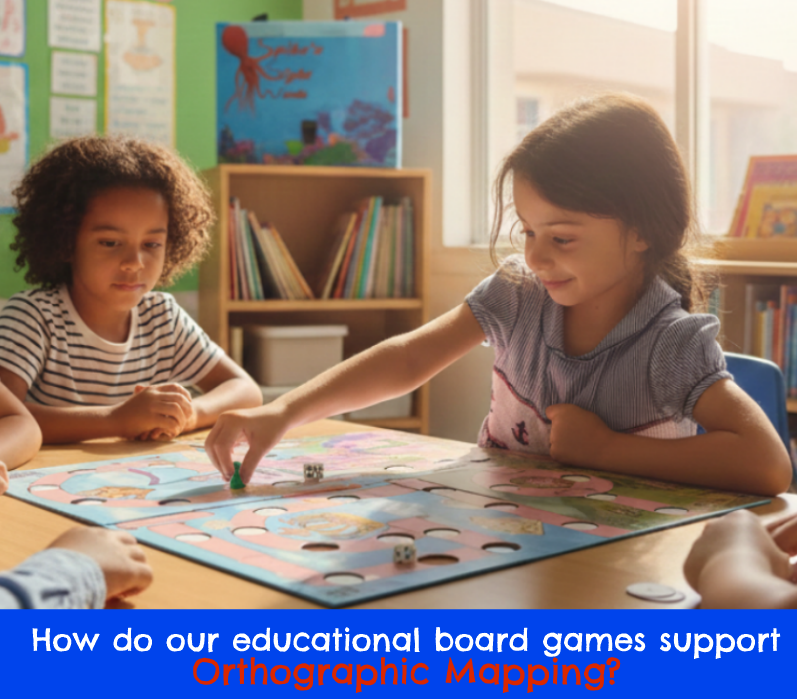
Orthographic Mapping is the process used by skilled readers to instantly recognise words. It is the mental process of forming connections between the sounds (phonemes) in a word and the letters (graphemes) that represent those sounds.
This process allows readers to take an unfamiliar spoken word, sound it out, and then “map” the sequence of sounds to the sequence of letters, eventually leading to the word being stored in memory for instant retrieval.
How Spike’s Sight Words Supports Orthographic Mapping?
Orthographic mapping is the mental process of creating an immediate link between the word’s pronunciation (the sounds) and its spelling (the letters) in long-term memory. It requires three things: phonemic awareness, letter-sound knowledge, and most importantly, repeated exposure to build automaticity.
1. Accelerated Automaticity Through Repetition
The most critical factor in orthographic mapping is that the reader must be exposed to the word enough times for the mapping to become instant and subconscious.
-
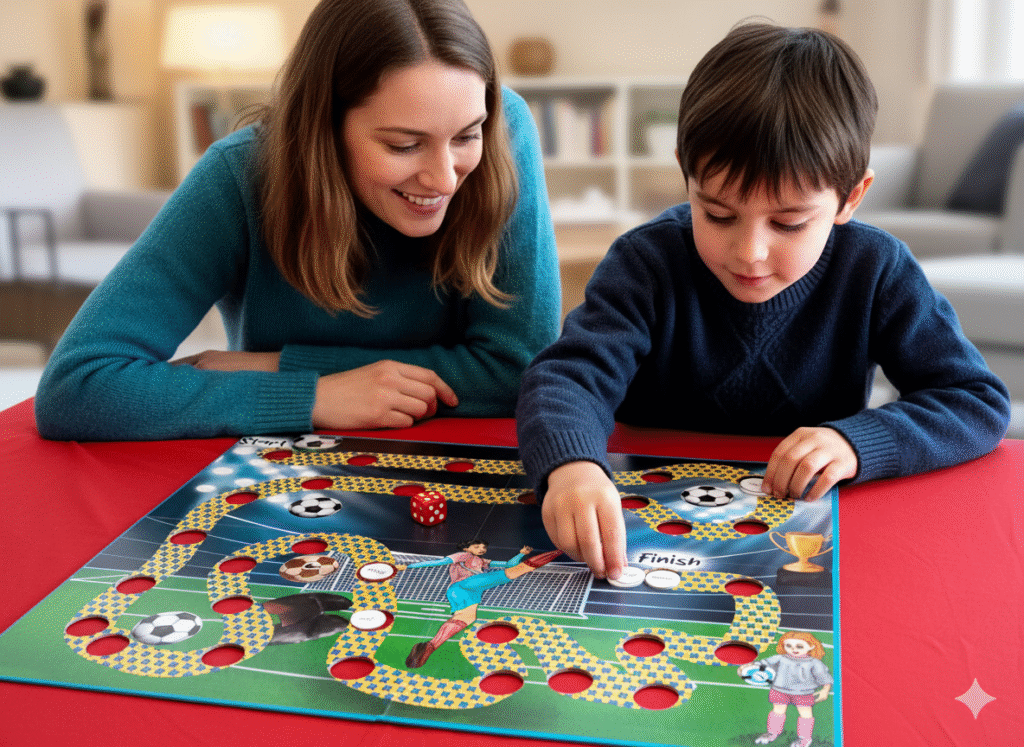
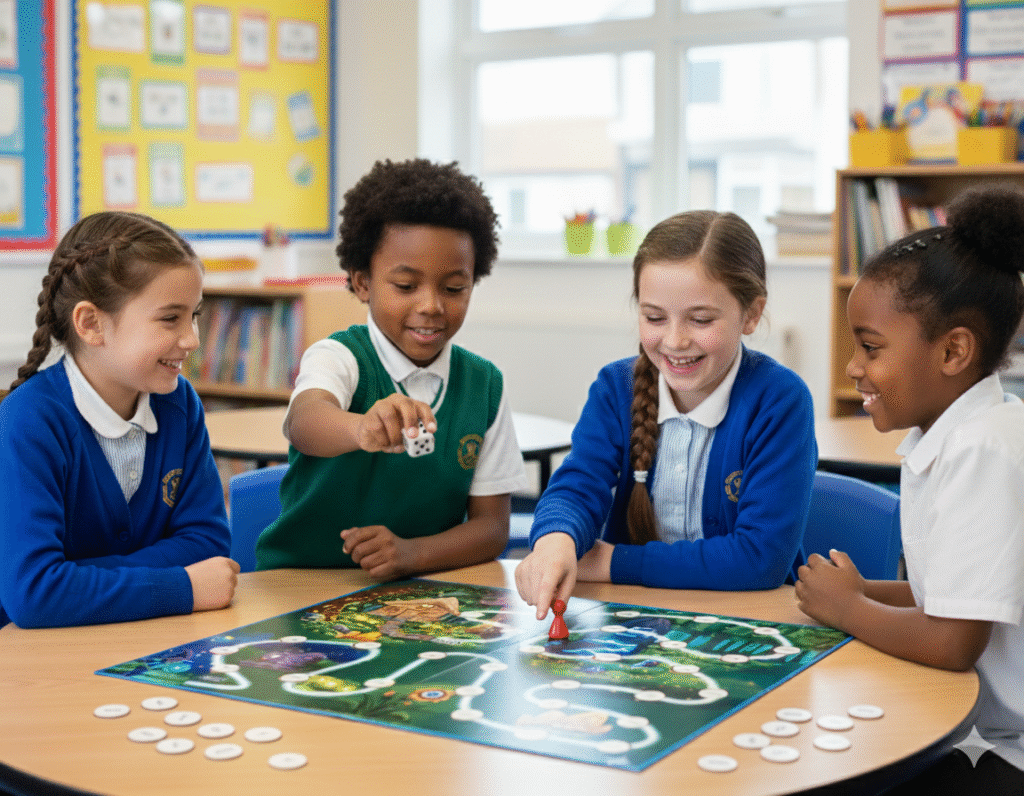
Low-Stress Repetition: Our board games introduce a high volume of repetition in a novel, engaging context. Instead of staring at a flashcard, a child lands on the same “tricky word” multiple times throughout the game.
-
Focus on Fluency: The fast-paced, 5-minute game structure encourages the player to read the word as quickly as possible to continue the play. This directly trains the brain for automaticity—the core goal of orthographic mapping.
2. Enhanced Focus and Attention
Orthographic mapping requires the student’s focused attention on the printed word. Distracted learning prevents the cognitive link from forming.
-
Intrinsic Motivation: By using engaging, themed boards (Space, Dinosaurs, etc.) that align with the child’s interests, the games create intrinsic motivation. This higher level of engagement leads to greater attention and concentration on the words embedded in the playing spaces.
-
Reduced Cognitive Load: For dyslexic or struggling readers, decoding is cognitively exhausting. By practicing a small, high-frequency word set (our word tokens) in a fun, game-based setting, the stress and anxiety associated with reading are reduced. This frees up the child’s cognitive resources to focus solely on mapping the word’s structure rather than battling frustration.
3. Phonics-to-Sight Word Linkage
Although the game practise looks “sight-based” on the surface (you’re reading the whole word), it facilitates the essential link between the child’s phonetic knowledge and the word’s written form.
-
Targeting the Irregularity: When a child lands on a word like “said,” the adult or teacher should prompt the child to verbally note the irregular part (the ‘ai’) while practicing the word. The physical interaction of moving the piece and seeing the word locks this specific spelling exception into memory.
-
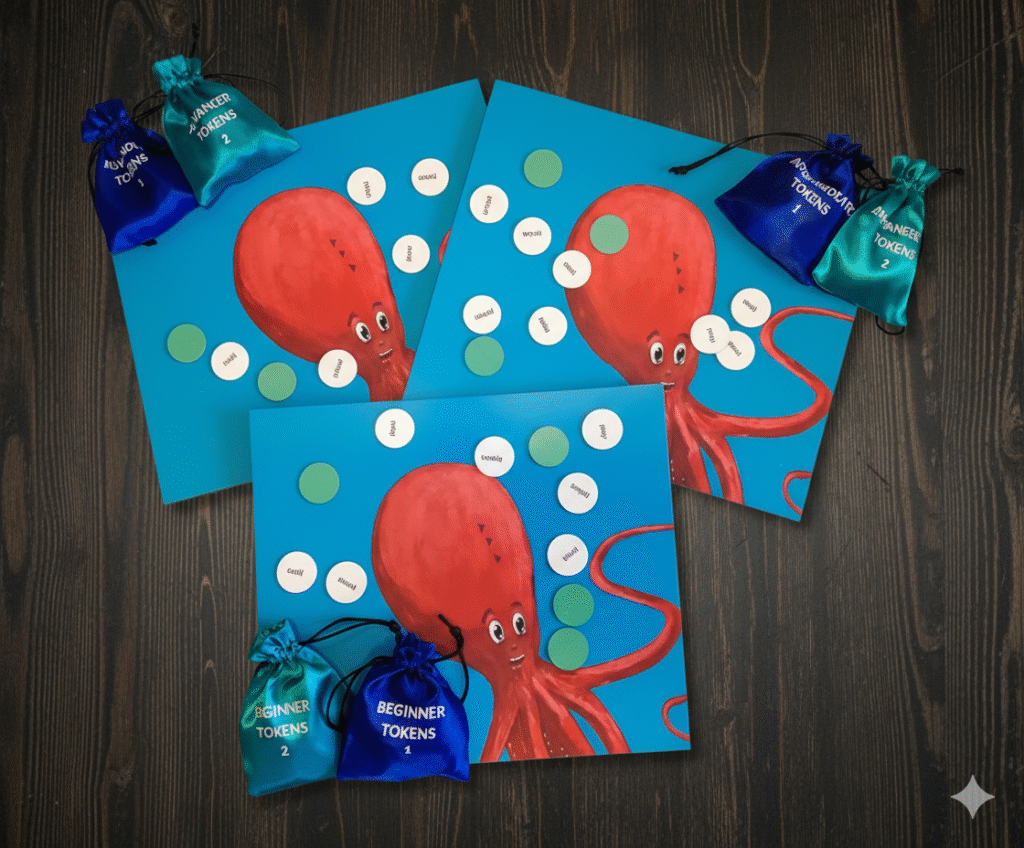
Visual Reinforcement: The tokens use a clear, consistent font, ensuring the child is always seeing the same letter shapes for the same sound. This consistency is crucial for orthographic mapping to occur effectively.
In summary, the Spike’s Sight Words board games function as a highly efficient practise engine that provides the focused, high-repetition exposure necessary for a child to complete the final stage of the reading process: transforming a fully-decoded word into an instant, automatically recognised sight word.
Why Must Children Know It Before Playing our Board Games?
Orthographic mapping is the foundation of reading fluency and comprehension. If our educational board games involve reading text, instructions, or word recognition, children need mapped words to play effectively and benefit.
1. Achieving Reading Automaticity (Fluency)
-
The Problem Without It: If a child has not orthographically mapped a word, they must decode it every single time they see it (sounding out “b-o-o-k”). This is slow, effortful, and mentally exhausting.
2. Freeing Up Cognitive Resources for Comprehension
-
The Link to Gameplay: Reading is a capacity-limited process. If a child’s working memory is overwhelmed by the effort of decoding every word on our game boards or instructions, they have very little mental energy left over to understand the rules of the game, follow the plot, or engage with the educational content.
3. Ensuring True Educational Benefit
-
Our games are designed to teach vocabulary, history, or strategy, a child who is still struggling to decode basic sight words will be perpetually stuck. The game becomes a frustrating decoding exercise rather than the intended learning experience.
-
Orthographic mapping is what enables the child to transition from learning to read to reading to learn (or play!).
4. Promoting Independence
-
A child who can instantly read the words on the game cards, board spaces, or in the rulebook can play independently. They won’t constantly need an adult or peer to decode words for them, leading to a much more engaging and self-directed play experience.
-
-
-
In summary, a child who has developed orthographic mapping is equipped with the necessary word recognition skills to navigate and truly engage with our games, ensuring they receive the full educational and enjoyment value it was designed to deliver.
take a look at our award-winning educational board games


