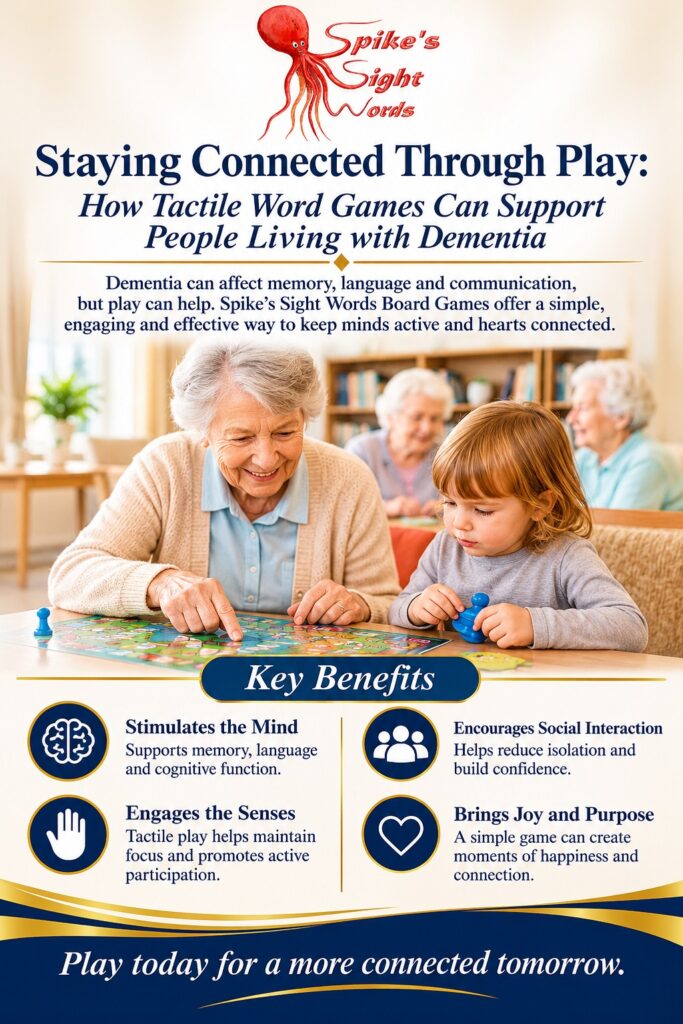
Staying Connected Through Play: How Tactile Word Games Can Support People Living with Dementia
When we think of sight-word board games, we typically picture early childhood classrooms or adult literacy programmes. However, the core design features that make multisensory, screen-free word games effective—high-contrast visual clarity, tactile engagement, short failure-free rounds, and social connection—also align closely with what libraries, carers, and families look for when supporting people living with mild-to-moderate dementia.
As dementia progresses, traditional reading—such as following a novel or dense newspaper—often becomes frustrating due to visual clutter, working memory fatigue, and processing delays. While tactile word games cannot prevent or reverse cognitive decline, Spike’s Sight Words can serve as a dignified, accessible tool for gentle cognitive stimulation, conversation, and meaningful shared time.
Visual Accessibility and Failure-Free Recognition
People living with dementia frequently experience visual-spatial and contrast-sensitivity changes that make crowded pages difficult to navigate.
-
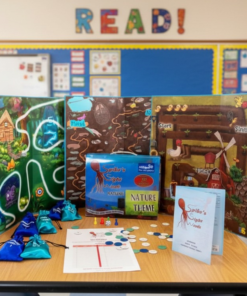
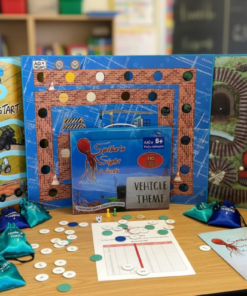
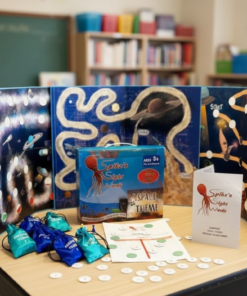
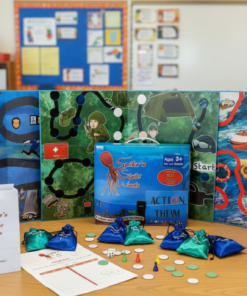
Clean, High-Contrast Typography: The word tokens feature a dyslexia-friendly font printed in crisp black text on plain white backgrounds. Removing decorative clutter helps ageing eyes and brains isolate and recognise individual words comfortably.
-
Tapping Into Long-Term Memory: Sight words rely on automatic visual recognition stored in long-term memory, which typically remains intact far longer than short-term recall. Recognising familiar, everyday words allows players to experience immediate success without feeling tested.
-
Short, Low-Fatigue Sessions: Built around brief, manageable rounds (around five minutes), the game delivers gentle mental engagement before cognitive fatigue sets in.
Multisensory Grounding Without Screens
In dementia-friendly spaces—such as community library reminiscence groups and care homes—structured social activities rely on engaging multiple senses at once.
-
Tactile, Screen-Free Interaction: Unlike tablets or screens—which can cause glare, confusion, or sensory overload—picking up physical word tokens, rolling dice, and moving tangible counters engages fine motor skills and anchors attention in the present moment.
-
See, Touch, Hear, and Experience: Reading a word aloud while placing a token on the board connects visual recognition, speech, and movement in a calm, repeatable rhythm.

Sparking Conversation and Intergenerational Connection
One of the hardest parts of visiting a loved one with dementia is finding an activity that feels natural rather than clinical.
-
Organic Reminiscence Prompts: Everyday words—such as home, change, time, or garden—act as gentle, zero-pressure prompts for carers or relatives to spark stories and conversation.
-
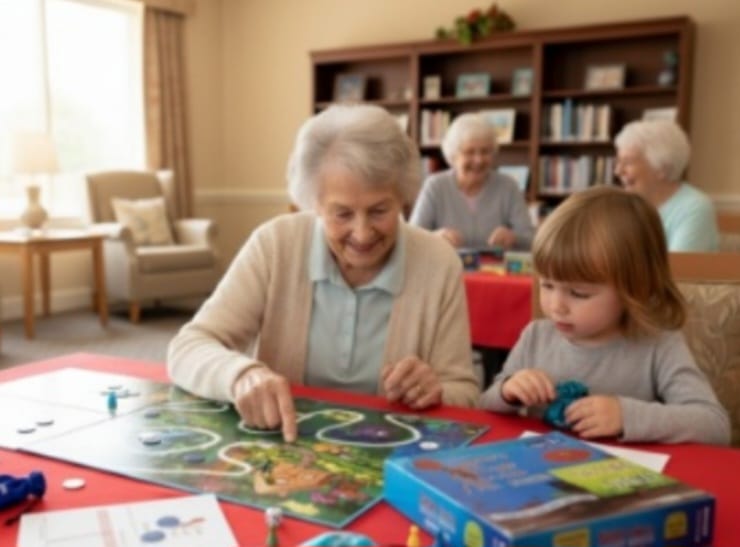
Playing Together as Equals: Because the mechanics are intuitive and flexible, grandparents and grandchildren can sit at the same table and play side-by-side. The focus shifts away from memory loss and onto shared laughter, turn-taking, and connection.
Keeping It Dignified and Practical
Because adults living with dementia deserve respect and age-appropriate resources, how the game is presented matters just as much as how it is played:
-
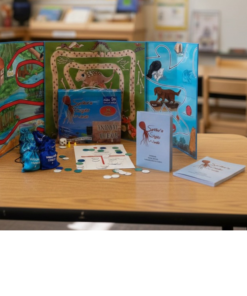
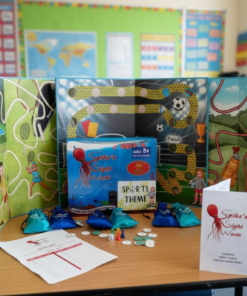
Use Adult or Neutral Themes: Pairing the word tokens with mature, nature-inspired, or neutral game boards ensures the experience feels grown-up rather than juvenile.
-
Adapt for Mild-to-Moderate Stages: The game works best when someone still recognises written words and enjoys social turn-taking.
-
Follow Their Lead: Keep sessions brief, relaxed, and guided by the person’s mood and energy.
Whether used in a local library’s dementia-friendly collection, a care home activity session, or around a family kitchen table, tactile word games offer a simple reminder: communication doesn’t have to be complicated to keep people feeling included, capable, and connected.
National Support & Care Charities
-
Alzheimer’s Society (
alzheimers.org.uk) – The UK’s leading dementia support and research charity. They provide local community groups, Dementia Cafés, activity ideas, and practical advice for families and carers. -
Dementia UK (
dementiauk.org) – Specialist dementia nursing charity providing Admiral Nurses, who offer free, one-to-one clinical and emotional support to families via their helpline and virtual clinics. -
Age UK (
ageuk.org.uk) – Offers nationwide practical support, friendship services, local activity clubs, and advice for older people living with dementia and their carers.
Specialist & Person-Centred Dementia Charities
-
Contented Dementia Trust (
contenteddementiatrust.org) – Focuses on the SPECAL method, promoting person-centred, dignified communication and practical wellbeing strategies from the perspective of the person living with dementia. -
Young Dementia Network (
youngdementianetwork.org) – Hosted by Dementia UK, this collaborative community supports people diagnosed with young-onset dementia and their families. -
Rare Dementia Support (RDS) (
raredementiasupport.org) – Provides specialist information, advice, and support groups for people living with less common forms of dementia (such as frontotemporal dementia or posterior cortical atrophy, which affects visual processing).

