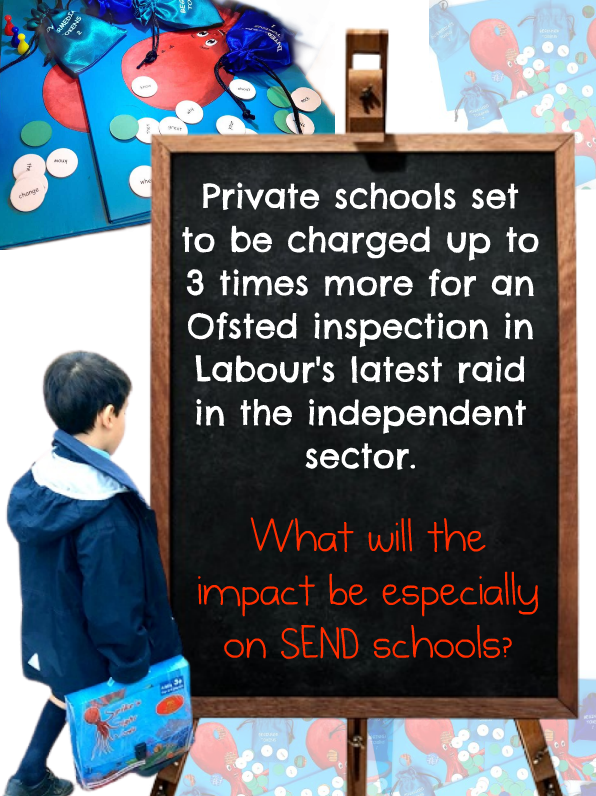
Phillipson attacks private schools once more: In Labour’s most recent onslaught on the independent sector, the Education Secretary is expected to charge institutions three times more for the Ofsted inspection.
In Labour’s most recent assault on the independent sector, private schools will be charged up to three times more for an Ofsted inspection.
Bridget Phillipson, the education secretary, will cut the existing discount that private schools receive for the school watchdog’s visits.
Currently, Ofsted, which visits about half of England’s 2,496 registered private schools annually, covers two thirds of the inspection costs.
Less than a year after Labour drastically increased VAT on private schools, Ms. Phillipson will immediately repeal this this week.
In England, over 50 schools have indicated their intention to close since the tax raid last year.
Furthermore, private school enrollment has decreased by 11,000 students, which is a sharp contrast to Labour’s own forecasts that the program would only compel 3,000 students to leave out.
These numbers have raised concerns about possible long-term effects of rising Ofsted expenses, which could force parents nationwide to bear the financial load.
The head of the Department for Education (DfE), Ms. Phillipson, has been in charge of the 1.9% drop in students attending private schools since the Labour tax increases.
According to official data, there were 582,477 students enrolled in private schools in England in January 2025, down from 593,486 the year before.
This decline was more than the 0.7% decline in total enrollment in both the public and private sectors.
The’myth’ that the government’s VAT charge on private schools caused an exodus has been maintained. Additionally, they have stated that raising private school tuition will assist today’s youngsters more broadly.
Last month, a DfE spokesperson stated: “To help ensure excellence everywhere for every child, ending tax breaks for private schools will raise £1.8 billion a year by 2029/30 to help fund public services, including supporting the 94% of children in state schools.”
According to data released by then-education minister Stephen Morgan, the cost of Ofsted inspections at private schools in 2024–2025 was £6.5 million. Of that, however, the watchdog only recovered £2.2 million in fees.
The visits look into a school’s leadership and management, behavior and attitudes, personal growth, and educational excellence.
In 2018, it was reported that the average cost of an inspection was somewhat over £7,000, with private schools sometimes contributing as much as £2,750.
The Current Situation
Private schools do not operate under the same funding model as state-funded schools. They are independent businesses that charge fees to parents. However, some private schools that are inspected by Ofsted (rather than the Independent Schools Inspectorate) currently receive a government subsidy for their inspections. This means that taxpayers, including those who send their children to state schools, are helping to fund a service for a private business.
Arguments for Increasing Fees
Proponents of charging private schools more argue that it’s a matter of fairness. Education Secretary Bridget Phillipson’s office has stated that it’s “unfair” for taxpayers to “foot the bill” for the accountability of private schools. The argument is that since private schools are private businesses, they should bear the full cost of their regulatory inspections, just as other private businesses do. This would also free up public funds to be invested in the state education sector. The cost of providing Ofsted inspections to private schools in 2024/25 was £6.5 million, but only £2.2 million was recovered in fees. Increasing the fees would close this funding gap.
Arguments Against Increasing Fees
Opponents of the fee increase often point out the potential impact on smaller private schools. These institutions might struggle to absorb the higher costs, potentially leading to increased fees for parents or even closure. They also highlight that private schools already contribute to the economy by paying taxes and by reducing the demand on state-funded schools, saving the government money. It’s also argued that the inspection fees, while a cost, are a necessary part of ensuring high standards across all schools, and that this benefits the education system as a whole, not just the private sector.
Want to read more about all the private schools that have closed since vat was added - click hereHave a look at our award-winning educational board games