Learning that your child has dyslexia is often the culmination of months, or even years, of nagging worry. It can bring a rush of complex and powerful emotions for parents, shifting from relief to concern and everything in between. The diagnosis is rarely just a clinical label; it’s a pivotal moment that redefines how parents view their child’s past struggles and future potential.
The Initial Wave of Relief and Guilt
For many parents, the first emotion is often relief. The diagnosis provides a concrete answer to the question, “Why is my child working so hard but falling behind?” It confirms that the struggle isn’t due to laziness, a lack of effort, or low intelligence. This validation can be immediately calming.
However, this relief is often quickly followed by guilt. Parents may regret past moments of frustration, the misplaced “tough love,” or the hours spent trying to force traditional reading methods that only led to tears. They question if they missed the signs earlier or if they were quick enough to advocate for their child. It’s vital for parents to recognize that these feelings are normal and to shift that energy into future support.
Fear for the Future and the Unknown
Once the initial emotional dust settles, the greatest challenge is often confronting the unknown. Parents naturally worry about their child’s academic future. Questions abound:
-
Will they ever read fluently?
-
Will they get into college?
-
How will this affect their career?
-
Will they face bullying or low self-esteem?
The word “dyslexia” can sound daunting, leading to a fear of permanence. Parents must navigate this learning curve, realizing that dyslexia is a lifelong difference in how the brain processes language, not a disease. This shift in perspective—from a deficit to a difference—is key to empowering both the parent and the child.
Embracing Advocacy and Hope
Ultimately, the diagnosis marks the beginning of a powerful journey into advocacy. Parents often transform into dedicated researchers, learning about structured literacy, assistive technology, and the education system’s accommodations.
Finding a supportive community—be it local support groups or online forums—can provide essential guidance and emotional resilience. With knowledge comes a profound sense of hope. Parents start to see that with the right, evidence-based tools and specialized instruction, their child can not only succeed but thrive by focusing on the incredible strengths—like creativity, spatial reasoning, and big-picture thinking—that often accompany the dyslexic mind.
The journey may be challenging, but it is ultimately one of understanding, dedication, and celebrating a unique way of learning.
There are many effective ways parents can help their dyslexic child thrive both academically and emotionally. The key is to create a supportive, structured, and low-stress environment that focuses on their strengths while providing targeted help for reading and writing.
Here are the most critical strategies for parents:
1. Seek Professional Support
Early and accurate intervention is crucial for a dyslexic child’s success.
-
Get a Diagnosis and Professional Guidance: If you suspect dyslexia, pursue a formal psychoeducational assessment. A diagnosis opens the door to school accommodations (like an IEP or 504 plan) and informs targeted intervention.
-
Invest in Structured Literacy: This is the most effective approach. Look for a tutor or specialist trained in evidence-based, multi-sensory reading programs such as Orton-Gillingham, Wilson, or Barton. These programs teach reading explicitly, systematically, and cumulatively.
-
Communicate with the School: Be an active advocate. Work with teachers to ensure your child receives appropriate accommodations, such as extra time on tests, reduced homework loads, or access to audiobooks for required reading.
2. Master Assistive Technology
Technology is one of the most powerful tools for leveling the playing field.
-
Text-to-Speech (TTS): Have your child use TTS software (available on most phones, tablets, and computers) to read out digital text (websites, emails, school documents). This is vital for comprehension and reducing reading fatigue.
-
Speech-to-Text (STT): Encourage them to use STT (voice typing) for essays and assignments. This allows them to express complex ideas without the bottleneck of spelling and handwriting.
-
Use Audiobooks: For assigned reading, utilize audiobooks through resources like Learning Ally or school libraries. This ensures they can access the same curriculum content as their peers and focus on comprehension rather than decoding.
-
Digital Organisation Tools: Introduce digital calendars, note-taking apps, and visual planners to help manage assignments and executive function challenges.
3. Foster a Growth Mindset and Self-Esteem
Dyslexia can significantly impact a child’s confidence. Your role is to build self-worth and resilience.
-
Focus on Strengths: Dyslexia often comes with strengths in areas like visual-spatial reasoning, creativity, and “big picture” thinking. Actively celebrate and nurture these abilities through activities like art, engineering, sports, or music.
-
Talk Openly About Dyslexia: Frame dyslexia as a different learning style or a “superpower,” not a deficiency. Share stories of successful dyslexics (e.g., Albert Einstein, Whoopi Goldberg, Richard Branson).
-
Reduce Stress Around Reading: Avoid turning homework into a nightly battle. If your child is struggling and becoming frustrated, step in to help, use an audiobook, or take a short break. It’s more important to preserve the relationship and the love of learning.
4. Support Learning at Home
Reinforce skills taught by specialists without becoming your child’s primary reading teacher.
-
Read Together (But Not Always Aloud): Continue to read to your child, even as they get older, to model fluency and expand vocabulary. You can also read alternate pages in a book they are reading.
-
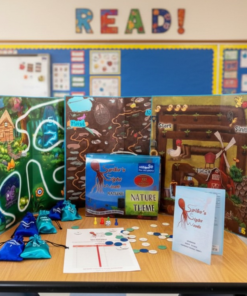
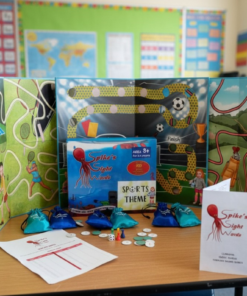
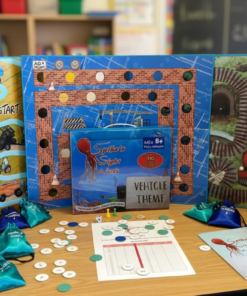
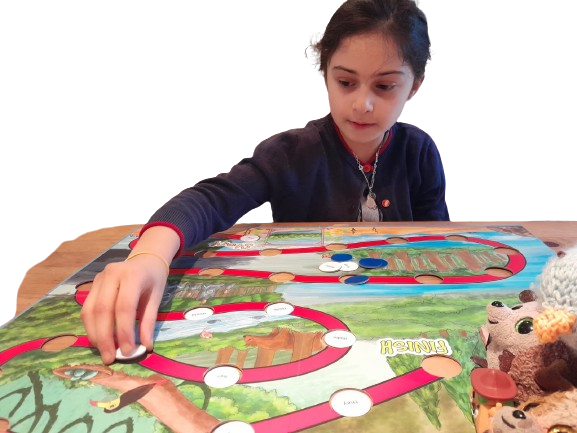
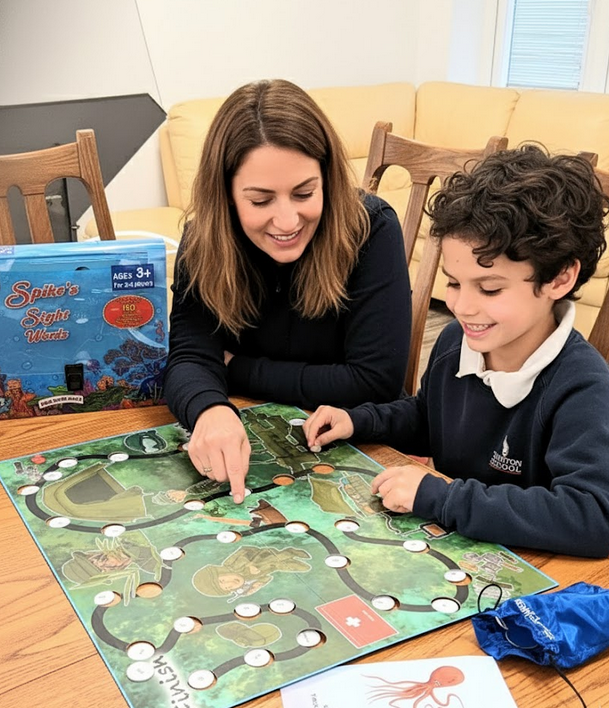
Make Learning Multi-Sensory: Use hands-on, engaging activities to reinforce concepts. For example, use magnetic letters or playdough to form words, or a shaker bottle with sand to trace letters. Our educational board games are perfect for this.
-
Incorporate Morphology: Help your child explore prefixes, suffixes, and root words (morphology). This is a powerful tool for decoding longer, unfamiliar words and expanding vocabulary.
By combining professional, evidence-based instruction with a supportive and strength-focused home environment, you can help your dyslexic child overcome learning barriers and realise their full potential.