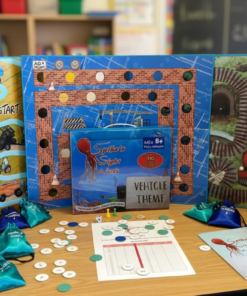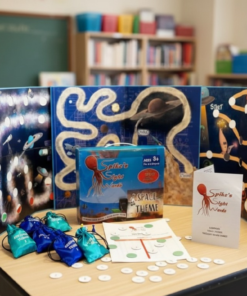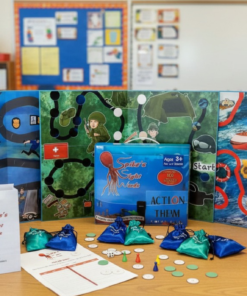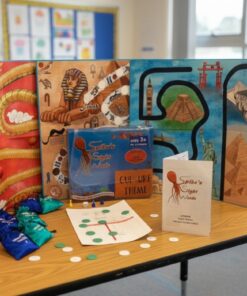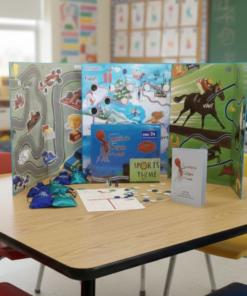
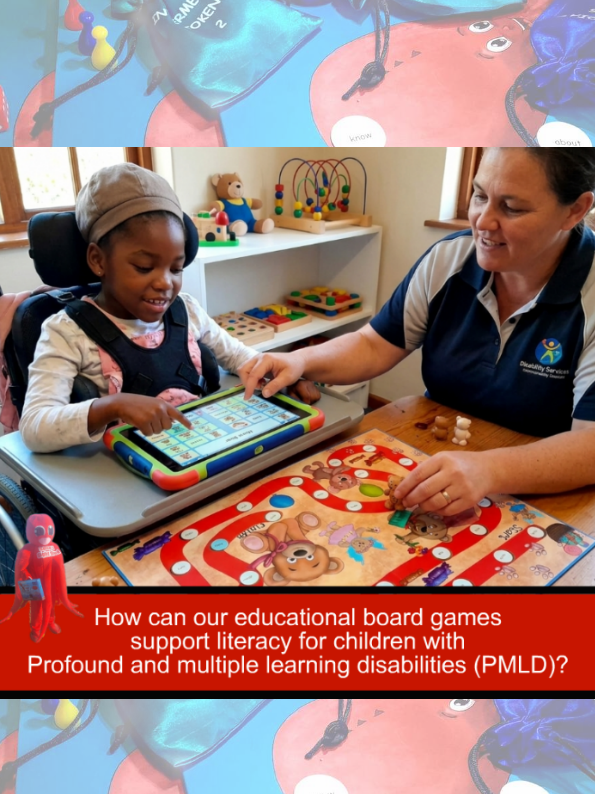
For many neurodiverse learners, particularly those with severe educational needs (SEN) and children who are non-verbal, traditional literacy instruction presents significant, often insurmountable, barriers. Conventional drills can be high in cognitive load, sensory demand, and stress, often failing to reach students who process information differently. In contrast, Spike’s Sight Words offers a fundamentally different approach: a multisensory, play-based system designed to foster literacy without placing an exhaustive burden on the learner. By shifting the focus to high-interest, tactile, and visual engagement, Spike’s creates a path to reading recognition that bypasses standard obstacles, transforming literacy from a source of frustration into a source of connection and success.
Core Mechanisms for Severe Needs: Reducing Load and Stress
The Spike’s system is built upon core principles that specifically address the challenges of severe educational needs.
Reduced Cognitive Load Traditional reading methods require students to simultaneously manage multiple skills, including sound blending, letter formation, and intense visual tracking. This can quickly exhaust a neurodiverse learner’s limited cognitive resources. Spike’s games alleviate this pressure by framing literacy as play. The system uses low-stress, five-minute play sessions centered on high-interest themes like dinosaurs or space. This structure significantly increases a student’s ability to maintain focus and drastically reduces the anxiety often linked with literacy, allowing learning to happen naturally within a comforting, familiar framework.
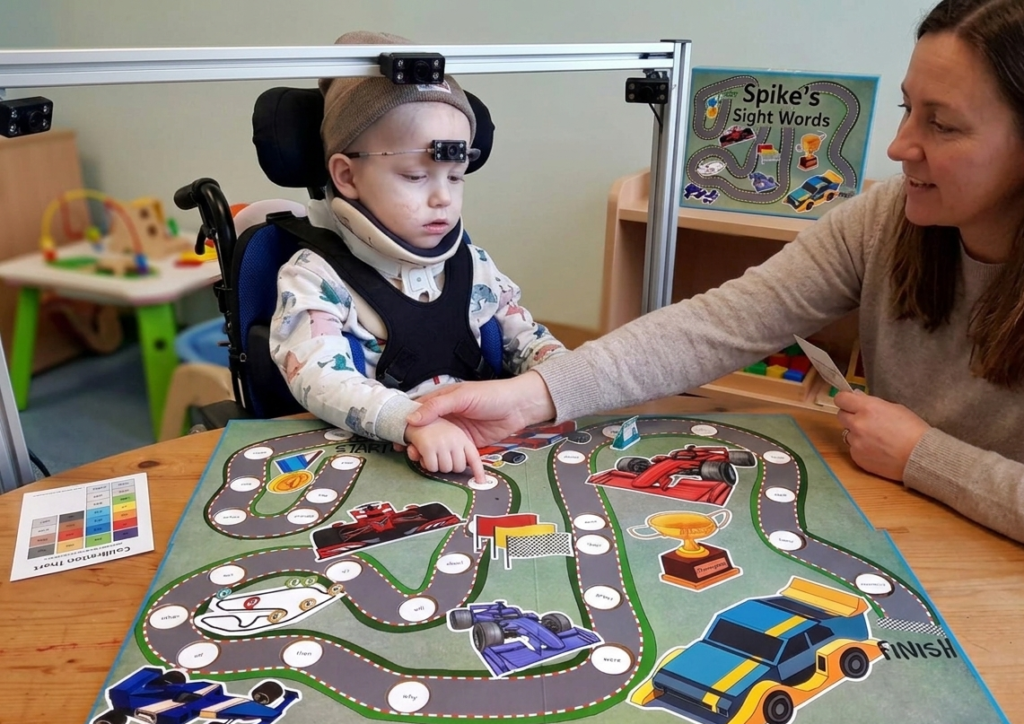
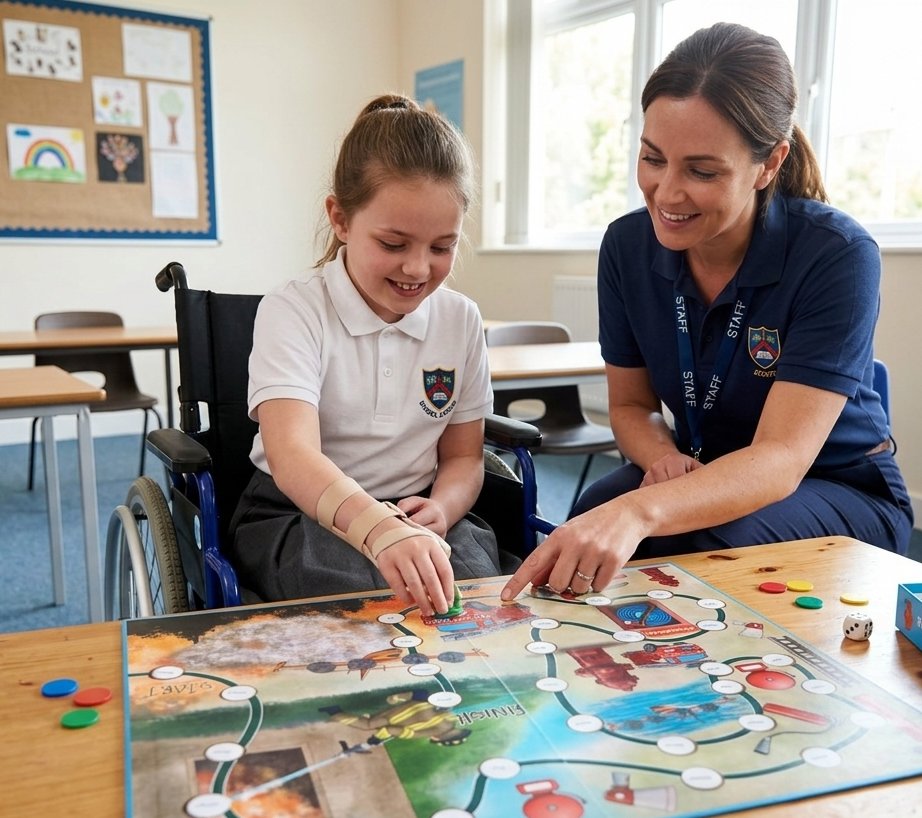
Visual & Tactile Learning Children who cannot easily access spoken language rely heavily on alternative sensory input. Spike’s Sight Words prioritises visual and kinesthetic learning to provide concrete hooks for memory anchoring. The system incorporates:
-
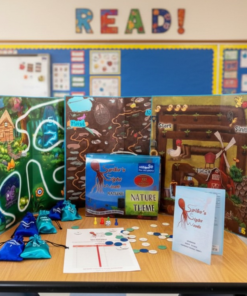
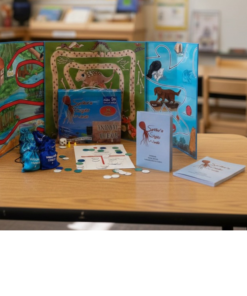
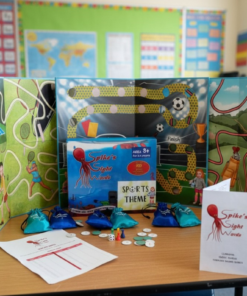
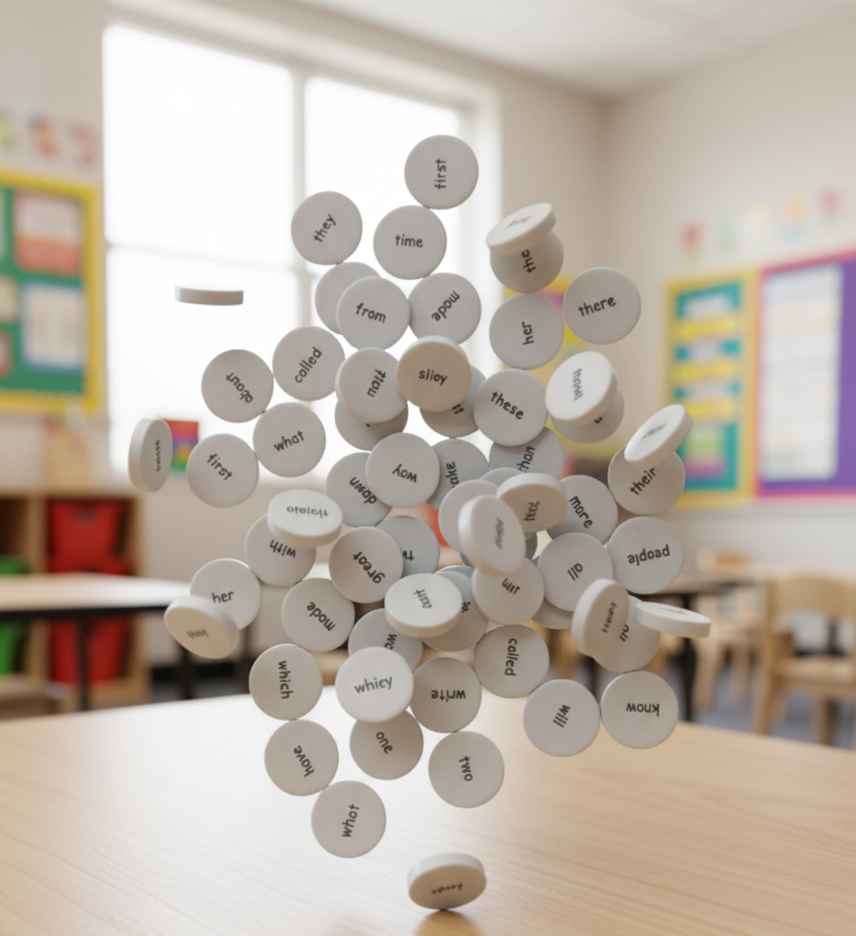
Multisensory Supports: Bright, colourful game boards provide strong visual cues, while word tokens featuring high-clarity black text on plain white backgrounds minimise visual clutter and distraction.
-
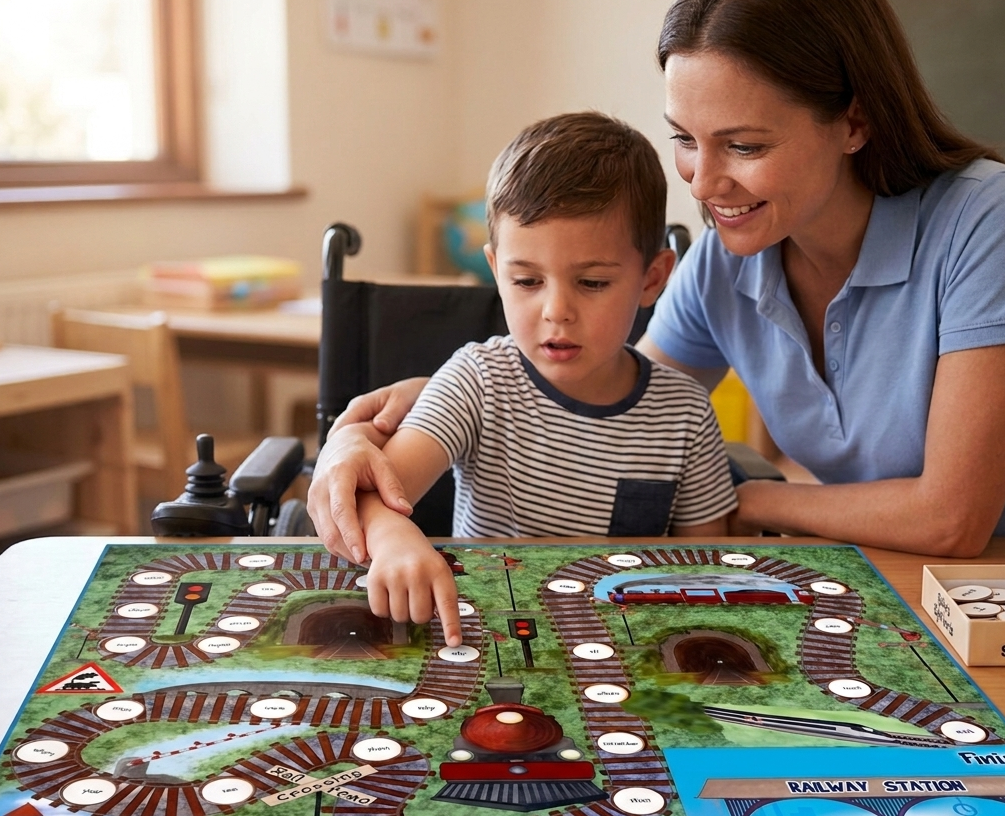
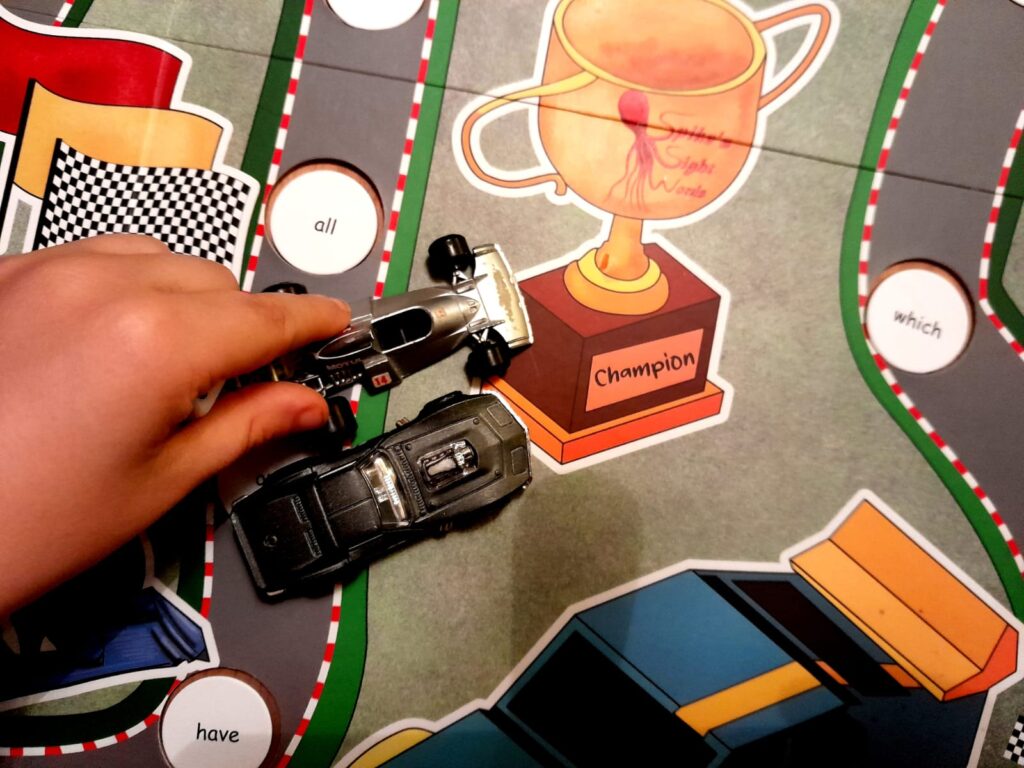
Tactile Engagement: Incorporating physical elements, such as moving toy cars, Lego people, or tactile pieces, creates a critical kinesthetic layer that physically links the act of reading with sensory feedback, embedding the words more firmly in memory.
Structured, Engaging Repetition Repetition is crucial for mastery, but repetitive drills can lead to boredom and disengagement for any learner. Spike’s addresses this through structured, built-in practice. Each word token is strategically repeated twice within every game. This ensures a high volume of practice for high-frequency words, but in a constantly changing, “novel” context (e.g., landing on the word in a different space-themed scenario) that prevents the onset of boredom.
Dyslexia-Friendly and Accessible Design The system is designed with accessibility at its heart. The word tokens are printed using a specific font optimised for reading clarity and employ high-contrast visuals, specifically chosen to reduce letter-confounding. This deliberate design supports learners who struggle with phonological awareness and letter-sound connections, ensuring clarity where it is most needed.
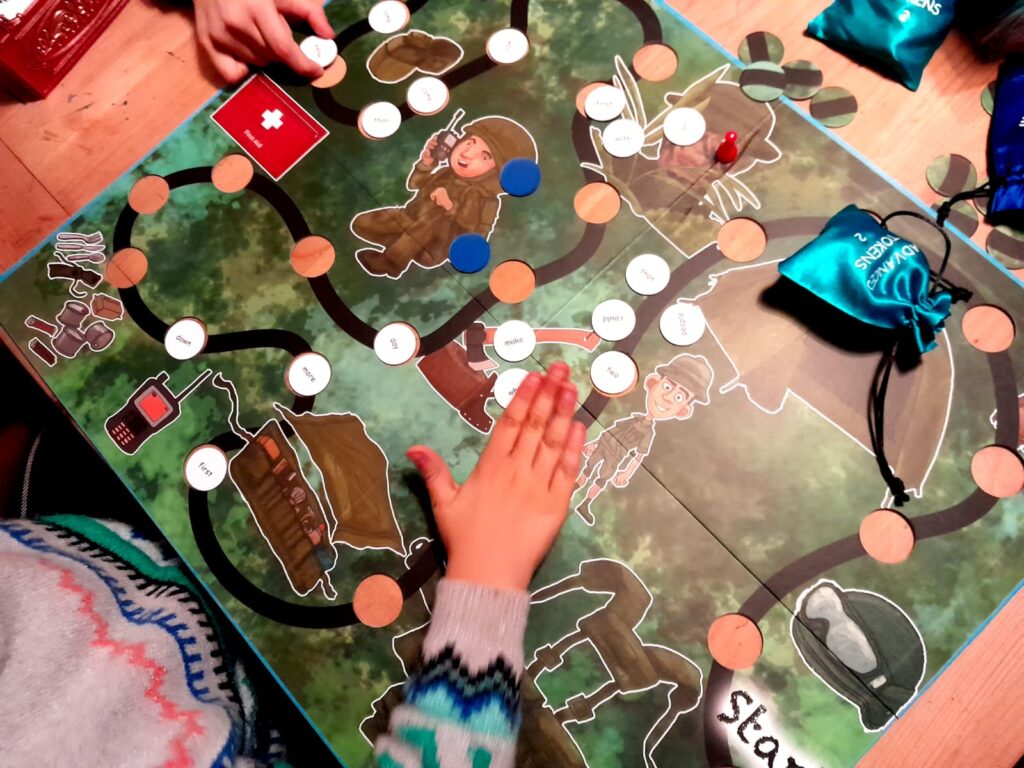
Adaptation for Non-Verbal Students: Personalisation and Communication
Spike’s Sight Words is particularly effective for students with complex communication needs. Educators and parents can easily adapt the resources for high-impact, individualized intervention, using methods tailored to each child’s developmental stage and communication abilities.
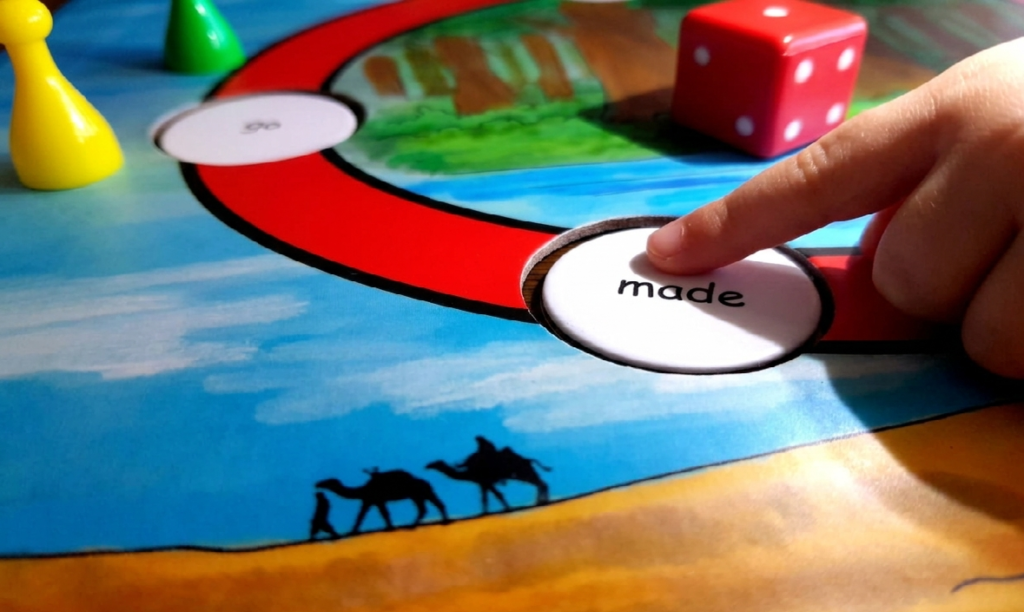
Receptive Identification: Instead of requiring the child to verbally produce the word, the system emphasises receptive understanding. The goal becomes: “Can the child find the word?” Learners can demonstrate their knowledge by simply pointing to the word or physically matching a word token to its corresponding counterpart on the game board. This reduces the immense communicative pressure often associated with being asked to read aloud, allowing the student to succeed without using spoken language.
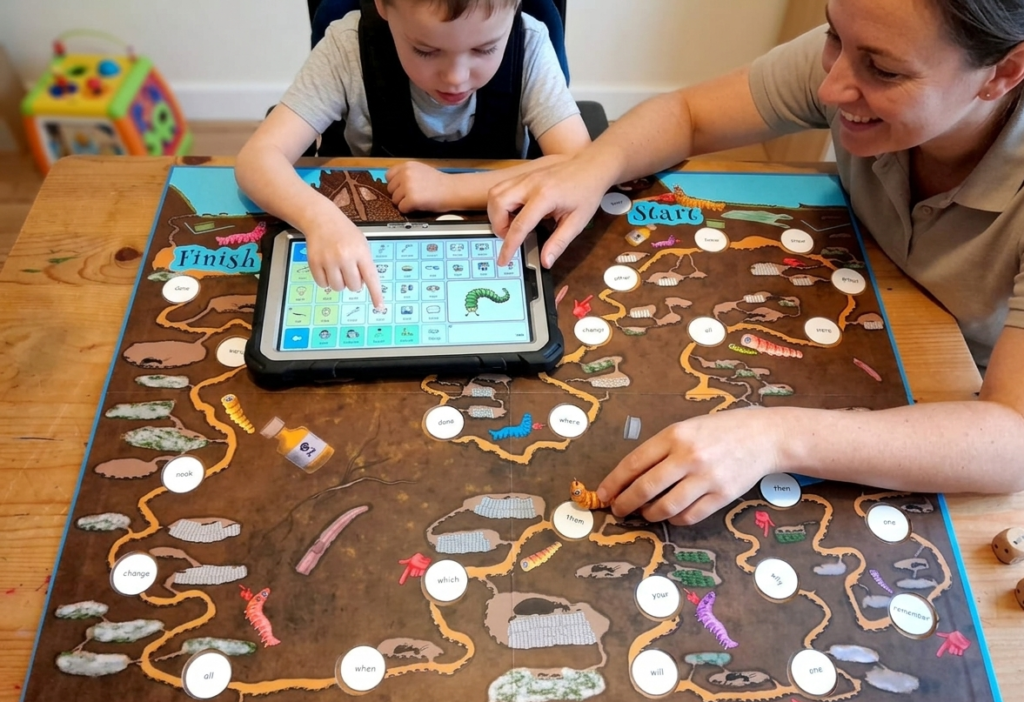
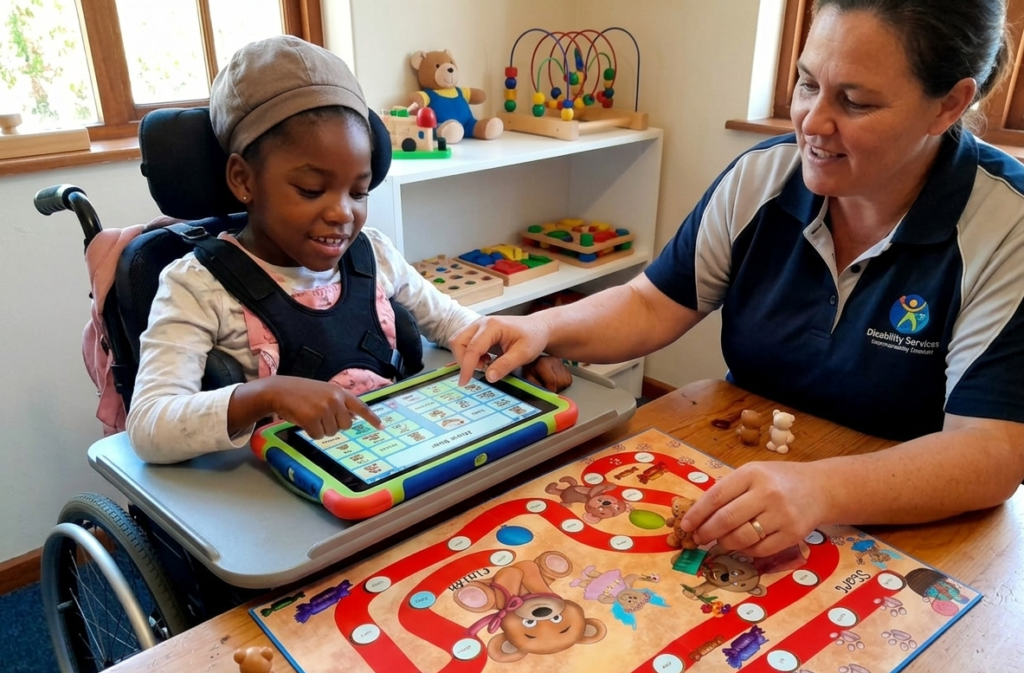
AAC Integration (Augmentative and Alternative Communication): The link between the written word and its meaning/sound can be powerfully reinforced by integrating a child’s AAC device. The game becomes interactive: when the child lands on a word, either the child, the educator, or the device “says” the word aloud. This provides crucial auditory and visual confirmation, reinforcing the connection between the sight word and its linguistic meaning in a clear, consistent manner.
Flexible One-to-One Intervention: Each element of Spike’s Sight Words is designed for maximal flexibility. The system allows for high-impact, one-to-one intervention. Whether delivered by a teacher in a school setting or a parent at home, the games provide targeted, specific support that can be adapted precisely to the child’s learning pace, interests, and immediate goals.
Progressive, Stage-Matched Difficulty: Instruction must be finely tuned to a learner’s current stage of development. To facilitate this, Spike’s division of word tokens into Beginner, Intermediate, and Advanced levels is fundamental. This structured progression allows educators and parents to meet the child exactly where they are, providing appropriate challenges without overwhelming them.
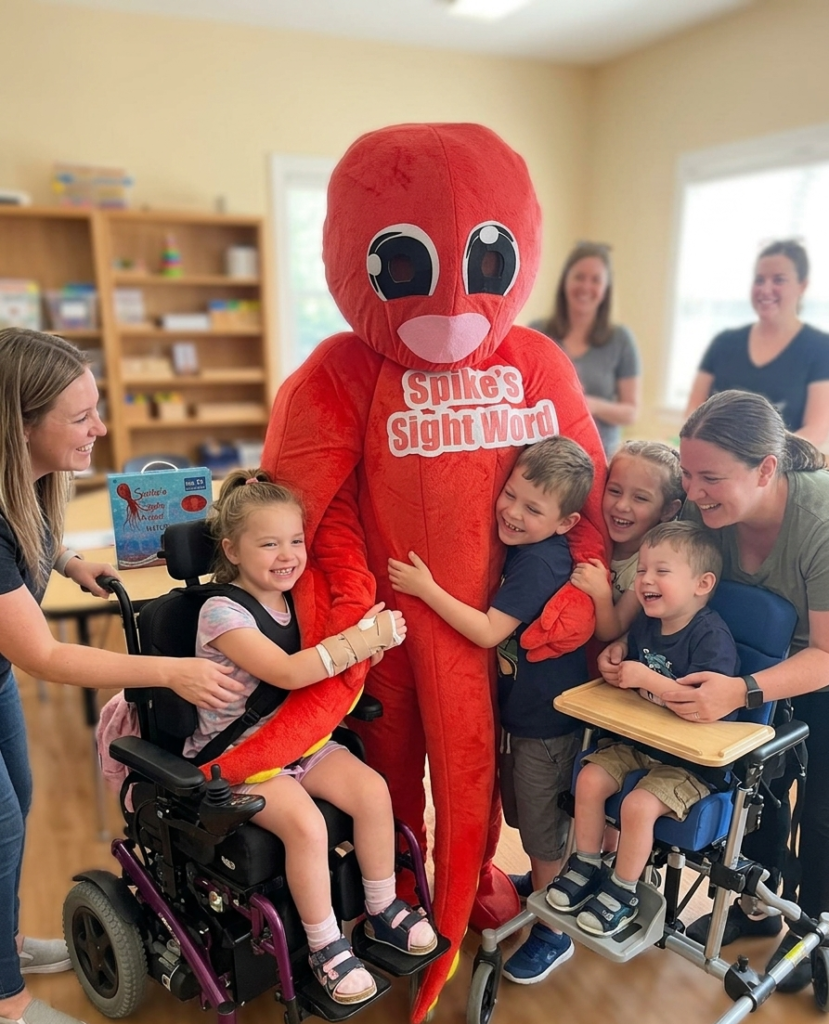
In the mosaic of a child’s education, few pieces are as transformative, yet as often overlooked, as literacy. We frequently treat reading and writing as mere academic milestones—boxes to be checked on a curriculum map. However, literacy is far more than a set of cognitive skills; it is a fundamental human right, a gateway to autonomy, and a powerful engine for equity and wellbeing.
Ensuring that every child, including those with severe educational needs (SEN) and those who are non-verbal, is given the opportunity to become literate is not simply an educational goal; it is a moral imperative with profound, life-altering benefits. When we fail to provide adapted, accessible literacy paths, we are essentially locking a door to the world.
The Power of Autonomy and Expression
At its core, literacy is about communication. For a child with complex communication needs, the traditional world of spoken language can be a fortress, leaving them isolated and misunderstood. Learning to recognise words—even receptively, without speaking them—hands that child a set of keys.
Literacy provides an alternative means of expression that transcends the limits of speech. A child who is non-verbal can use their sight word recognition to point to words on a board, select tokens, or utilise an Augmentative and Alternative Communication (AAC) device to “say” what they see. This ability to make their thoughts, needs, and choices known is the foundation of autonomy. It shifts a child from being a passive recipient of care to an active participant in their own life. The reduction in frustration that comes with being able to communicate effectively cannot be overstated; it fundamentally improves a child’s daily lived experience.
Building Cognitive Pathways and Confidence
The cognitive benefits of literacy extend far beyond the mechanics of reading. Engaging with words, whether visually or tactually, stimulates the brain in unique ways. For neurodiverse learners, a multisensory approach to literacy—like the one used in Spike’s Sight Words—can build and strengthen neural pathways that traditional instruction misses.
When a child physically manipulates a word token or maps a visual word to a concrete object (like a toy car on a game board), they are anchoring that concept in their memory through multiple sensory channels. This builds tactile memory and problem-solving skills, and, crucially, it fosters focus.
Success in these early, adapted literacy activities has a profound effect on a child’s self-esteem. For many SEN students, school is a place associated with struggle and failure. Achieving a small victory, like correctly identifying a “Beginner” level sight word on a dinosaur-themed board, can be a monumental confidence booster. It shifts their identity from “struggling learner” to “capable participant,” sparking a motivation that can ripple out into other areas of their learning.
Creating a Level Playing Field
One of the most powerful, yet often unacknowledged, aspects of adapted literacy resources is their role in fostering equity and access. Traditional education systems are often designed for a “standard” learner, placing neurodiverse children at an immediate disadvantage. When we only offer high-cognitive-load, drill-based instruction, we are creating barriers that exclude whole populations of students.
Providing accessible, low-cost, and low-stress resources that meet children exactly where they are—at their specific developmental stage and communicative pace—is a radical act of inclusion. It validates their potential and provides a fair chance to acquire a skill that society demands. True equity in education means acknowledging that the path to literacy looks different for everyone, and our responsibility is to build as many varied paths as needed to ensure no child is left behind.
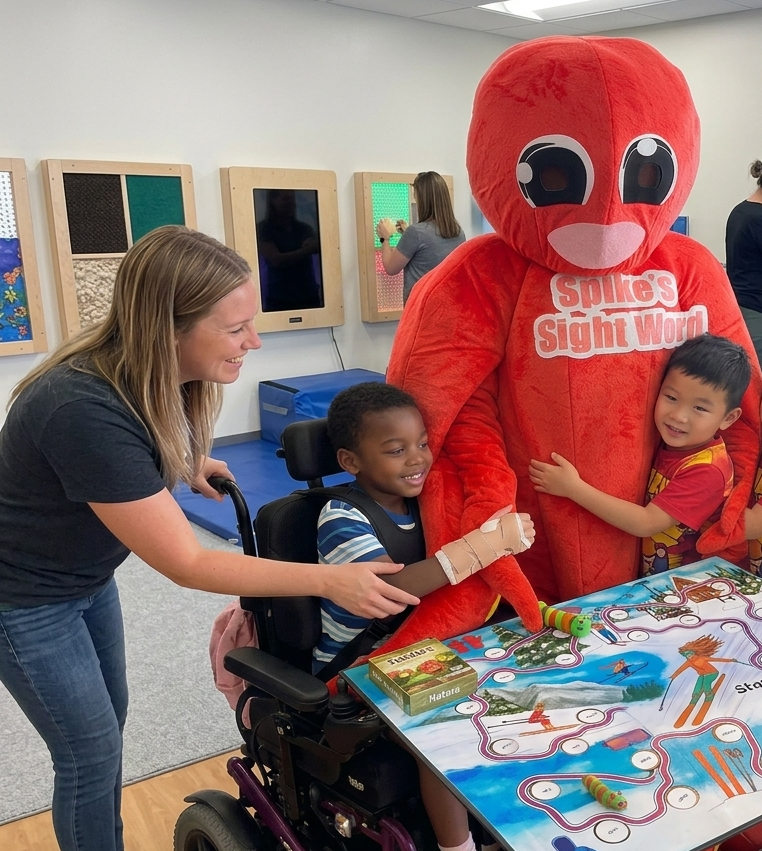
Literacy as Wellbeing
The benefits of literacy are woven directly into a child’s mental and physical wellbeing. A sense of exclusion and a lack of communicative agency are significant risk factors for anxiety and behavior challenges in SEN students. By empowering them with literacy tools, we are actively supporting their mental health.
Furthermore, multisensory, hands-on literacy games offer a protective alternative in an increasingly digital world. In a classroom, these tools cultivate deep, focused engagement that resists the fragmentation of the digital environment, providing crucial periods of focused, non-screen interaction. This hands-on interaction reduces “digital fatigue” and supports positive peer interaction, further bolstering a student’s social and emotional health.
The Gateway to a Brighter Future
Literacy is often described as the “skill that unlocks all others.” This is profoundly true. Beyond the immediate cognitive and emotional benefits, literacy is a gateway to long-term opportunity. It is the key that opens the door to independent living, further education, vocational training, and, ultimately, meaningful employment and community participation.
When we neglect to give a child a genuine chance at literacy, we are often, albeit unintentionally, predetermining a future with fewer choices and less agency. Giving that chance is perhaps the single most impactful investment we can make in a child’s long-term future.
Conclusion: We Cannot Afford to Wait
The opportunity for literacy is not a luxury; it is an absolute necessity for wellbeing, equity, and human dignity. For children with severe needs, the traditional methods have failed too often. We have a collective responsibility to advocate for and implement innovative, adaptable, and multisensory systems like Spike’s Sight Words.
Every child has the right to access their world, to express their inner thoughts, and to unlock their full potential. By providing the chance of literacy to every single child, we are not just teaching them to read; we are handing them the keys to their own future.
Ready to Learn More? Specific Implementation Strategies and AAC Examples
Integrating Spike’s Sight Words with visual schedules and specific AAC devices can maximise its effectiveness for students with complex needs. If you would like to explore practical examples of these integrations, learn about specific visual schedule implementations, or discuss individualised AAC integration plans, please don’t hesitate to reach out. We can provide tailored strategies and support to help every child unlock the power of literacy.
Get in contact here – info@spikessightwords.com
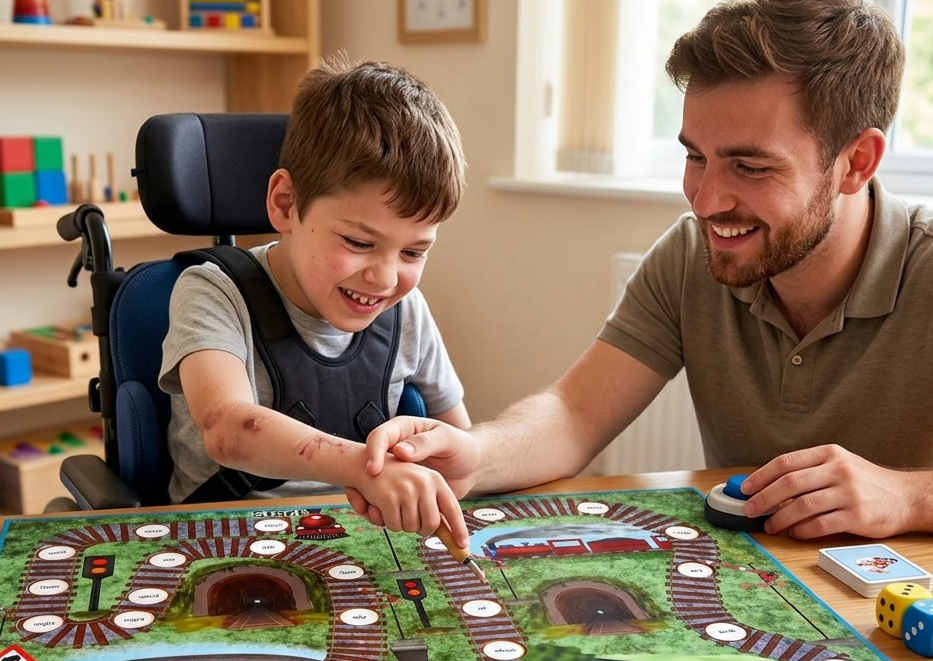
Need more information on how you can support your child?
These organisations provide essential practical and financial assistance.
Family Fund is the UK’s largest charity providing grants for families raising disabled or seriously ill children on low incomes. Grants can be used for essential items, technology, or breaks.
Caudwell Children provides funding for practical and emotional support, including specialist equipment, autism assessments, and therapy, for disabled children and their families.
Whizz-Kidz transforms the lives of disabled children by providing them with vital mobility equipment, training, and support to enable them to become independent.
Specialist Resources and Education
These provide tailored learning tools and educational methods.
Teach You Too provides practical, creative, and evidence-based resources to support children’s communication and literacy development, specifically for those with speech, language, and communication needs.