Beyond the Pen: Understanding the History and Reach of Dysgraphia
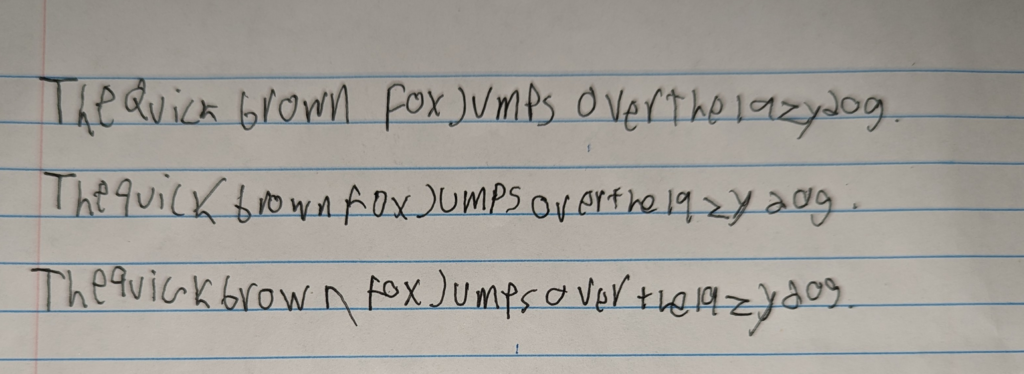
Dysgraphia is a neurodevelopmental condition that significantly impacts a person’s ability to express their thoughts through writing. While it is often mistaken for a lack of effort or poor motor coordination, it is, in fact, a complex challenge involving how the brain plans and executes the physical and cognitive acts of writing. For a child with dysgraphia, the struggle to form letters, manage spacing, or structure a sentence can feel like an insurmountable barrier, often leading to deep frustration and school-related anxiety
A Brief History: From “Agraphia” to Understanding
Historically, writing difficulties were often misunderstood, labeled as “laziness” or “poor instruction.” The medical understanding of the condition began in the late 19th and early 20th centuries, primarily through the study of acquired agraphia—the loss of writing ability in adults following brain injury or trauma.
-
The Early 1900s: Early neurologists identified that individuals who could speak and read fluently could sometimes lose the specific ability to write, confirming that writing is a distinct neurological function separate from other language skills.
-
The Mid-20th Century: Researchers began to distinguish between acquired agraphia (injury-based) and developmental dysgraphia (a lifelong struggle with writing present from childhood).
-
Modern Recognition: Today, dysgraphia is recognised as a Specific Learning Difficulty (SpLD). It is now understood through the lens of neurodiversity, involving specific networks in the brain that manage motor planning, language processing, and executive function. In the UK, it is protected under the Equality Act 2010, ensuring that children who struggle with these tasks can receive the accommodations they need to thrive.
How Many Children are Affected?
Determining the exact number of children affected by dysgraphia is difficult because it often co-occurs with other conditions, such as dyslexia, ADHD, or Developmental Coordination Disorder (DCD). Because of this “overlap,” it is frequently undiagnosed or misattributed to other learning differences.
-
Prevalence Estimates: Current research suggests that between 5% and 20% of all students experience some form of difficulty with writing.
-
The “Invisible” Population: Because dysgraphia is less publicly profiled than dyslexia, many children remain in the shadows of the school system. It is estimated that roughly 1 in 5 school-aged children have some form of learning or attention issue, with dysgraphia being a significant component of that group.
-
Clinical Context: Data shows that dysgraphia is more frequently identified in boys than in girls, and it is highly prevalent in children with other neurodivergent profiles—for example, nearly 60% of students with Autism Spectrum Disorder and up to 50% of children with ADHD exhibit signs of dysgraphia.
Why Awareness Matters
Understanding the history and prevalence of dysgraphia is the first step toward better support. By recognising that this is a neurological difference—not a choice or a character flaw—parents and educators can shift from demanding “neater handwriting” to implementing the tools and strategies that unlock a child’s true potential.
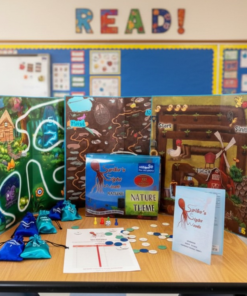
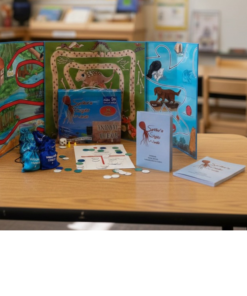
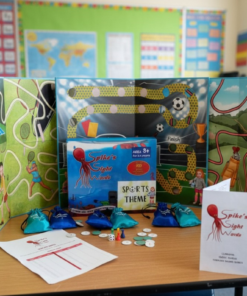
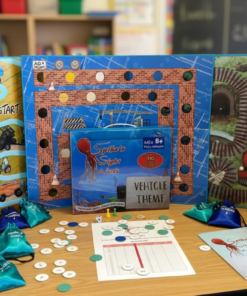
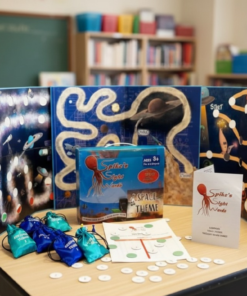
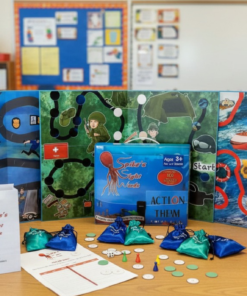
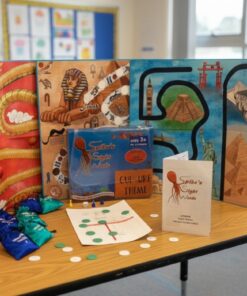
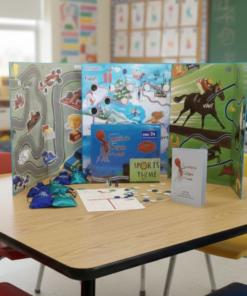
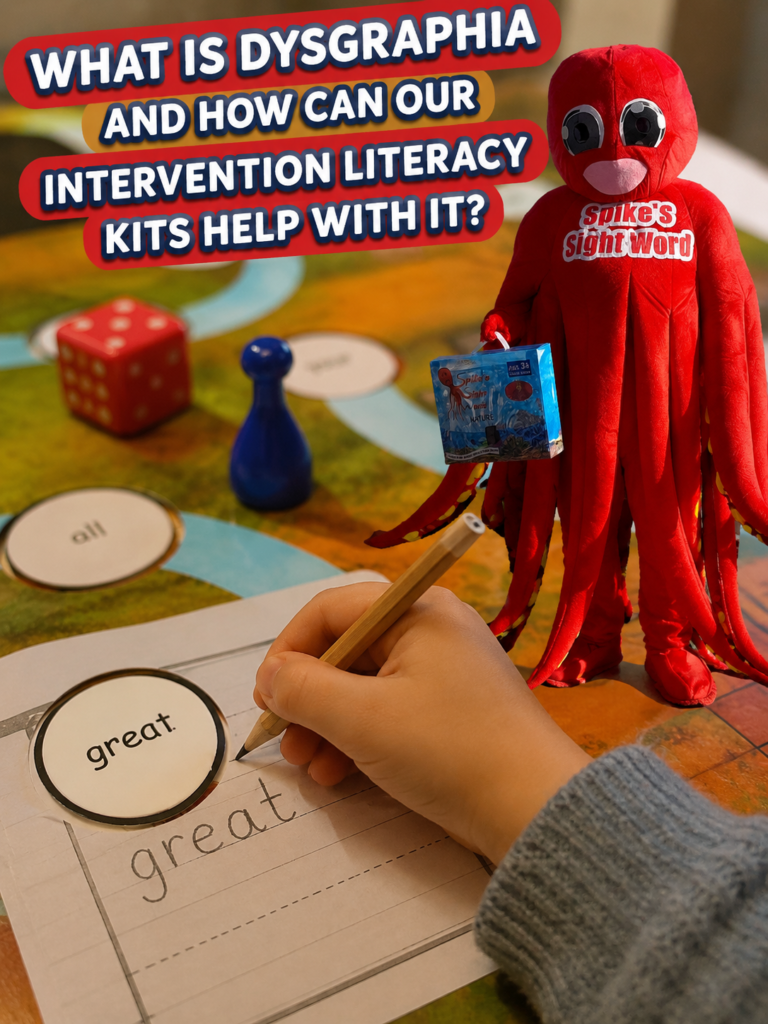
Whether through the use of assistive technology, sensory-friendly writing tools, or gamified interventions like Spike’s Sight Words, the goal is the same: to remove the “physical friction” of writing so that a child’s ideas can finally reach the page without the barrier of exhaustion.

How to Integrate Writing Using Existing Gameplay
Since Spike’s Sight Words already involves landing on a word to progress, you can implement a “Write-on-Turn” rule:
-
The “Double-Check” Rule: Every time a player lands on a word, they must read it aloud (the standard rule) and then write it down before they can end their turn or move their piece.
-
The “Spelling Master” Variation: To avoid fatigue, designate specific turns as “Writing Turns.” For example, every 3rd word they land on must be written down. This keeps the game moving while ensuring regular, bite-sized practice throughout the match.
Low-Friction Writing Methods
Even without changing the board, you can change the writing surface to support the child’s dysgraphia needs while keeping the game flow fast:
-
The “Laminated Overlay” (Fastest for flow): Keep a single piece of laminated paper or a small individual whiteboard next to the board game. When it is their turn to write, they quickly jot the word down on the laminate. Because the marker glides effortlessly, they don’t have to push hard, and they can “reset” for the next word instantly by wiping it clean. This keeps the game pace up without the frustration of erasing graphite or handling paper.
-
The “Air-to-Paper” Transition: If they are having a difficult day with motor fatigue, start by having them “write” the word in the air using their whole arm. This builds the shoulder stability needed for writing. On the next turn, they write the word on paper. Alternating between “Air-Writing” and “Paper-Writing” keeps the game active and prevents the child from hitting their “frustration wall.”
-
The “Colour-Coding” Method: Use a different coloured pen for the writing turn. If they land on a word and have to write it, they use a blue pen; if they are just reading, they use a red pen. This provides a visual cue that a “Writing Turn” is happening, making it a distinct, predictable part of their turn rather than a surprise chore.
You can find more helpful hints on this on this website also – Dyslexia A2Z
have a look at what intervention literacy kits we offer