How Spike’s Sight Words Can Support Children with SEN and Learning Difficulties
Learning to read and spell doesn’t look the same for every child. For children with dyslexia, ADHD, dysgraphia, developmental language difficulties and other special educational needs, traditional literacy practice can sometimes feel repetitive, frustrating or overwhelming.
Spike’s Sight Words offers a different approach: short, engaging, game-based literacy practice designed around high-frequency and sight-word recognition.
The games take approximately five minutes, making it easy to introduce focused literacy practice without requiring a long lesson.
While Spike’s Sight Words isn’t designed to diagnose or treat SEN conditions, it can provide an additional literacy-support tool for children with a wide range of learning needs.
Which SEN and Learning Difficulties Can Spike’s Sight Words Support?
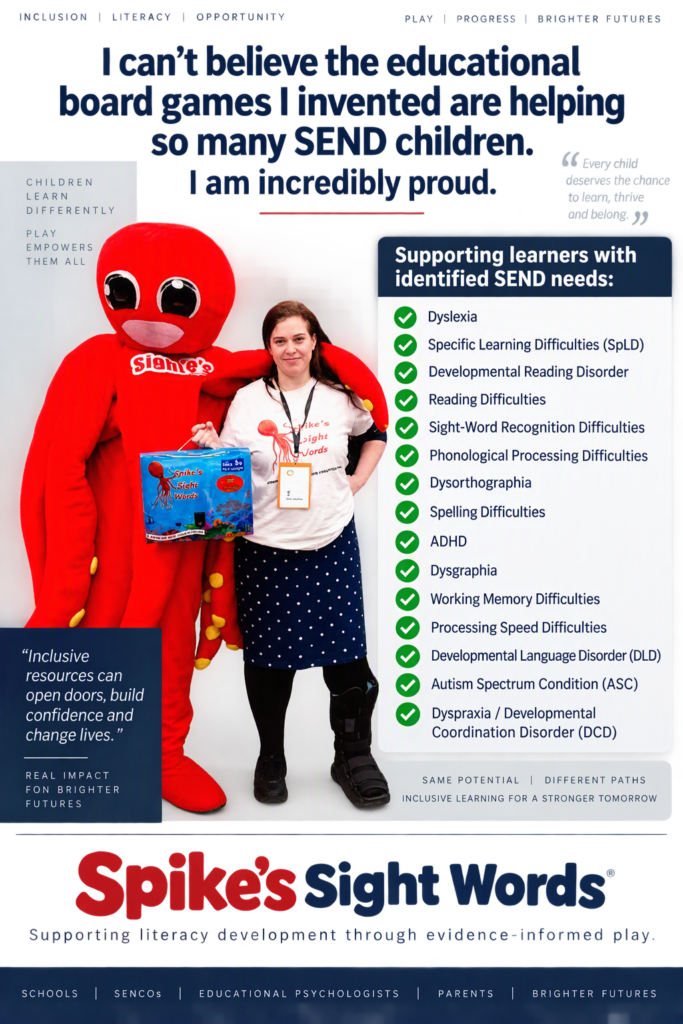
Spike’s Sight Words can be particularly relevant to children experiencing:
- Dyslexia
- Specific Learning Difficulties (SpLD)
- Developmental Reading Disorder
- Reading Difficulties
- Sight-Word Recognition Difficulties
- Phonological Processing Difficulties
- Dysorthographia
- Spelling Difficulties
- ADHD
- Dysgraphia
- Working Memory Difficulties
- Processing Speed Difficulties
- Developmental Language Disorder (DLD)
- Autism Spectrum Condition (ASC)
- Dyspraxia / Developmental Coordination Disorder (DCD)
Each of these learners can benefit from Spike in a different way.


Spike’s Sight Words and Dyslexia
Children with dyslexia can experience persistent difficulties with reading, spelling and processing written language.
Repeated exposure to commonly used words can give children additional opportunities to recognise and recall words they encounter frequently.
Spike’s game-based approach allows children to practise these words repeatedly in short sessions, helping make literacy practice more engaging and manageable.
Spike can therefore be used as an additional literacy activity alongside appropriate dyslexia support and teaching.
Spike’s Sight Words and Specific Learning Difficulties (SpLD)
Specific Learning Difficulties is an umbrella term that can include conditions such as dyslexia, dyscalculia and dysgraphia.
Where a child’s SpLD affects literacy, Spike’s Sight Words provides targeted practice with recognising and recalling frequently used words.
It can be incorporated into classroom intervention, home learning or additional literacy practice.
Spike’s Sight Words and Reading Difficulties
Some children struggle with reading without necessarily having a formal diagnosis.
They may need additional repetition, additional practice or simply more opportunities to encounter common words.
Spike provides a quick way to add additional reading practice to a child’s day.
The short format means that teachers, parents and teaching assistants can incorporate it into existing routines without needing to plan a lengthy additional lesson.
Spike’s Sight Words and Sight-Word Recognition
Sight-word recognition is at the heart of Spike’s Sight Words.
Children repeatedly encounter high-frequency words and are encouraged to recall them.
The aim is to help children become increasingly familiar with words they need to recognise regularly, reducing the amount of effort required to identify familiar words.
Spike’s Sight Words and Phonological Processing Difficulties
Phonological processing is an important part of learning to read.
Children experiencing difficulties in this area may benefit from structured literacy instruction and additional opportunities to practise words.
Spike’s Sight Words can complement wider phonics and reading teaching by providing repeated exposure to high-frequency words.
Spike is a complement to literacy teaching, not a replacement for systematic phonics instruction.
Spike’s Sight Words and Dysorthographia
Children experiencing dysorthographic difficulties can struggle with spelling and written language conventions.
Repeatedly encountering and recalling common words can provide additional opportunities to reinforce familiar word forms.
Spike can therefore support the literacy aspect of these difficulties, particularly where spelling and word recognition overlap.
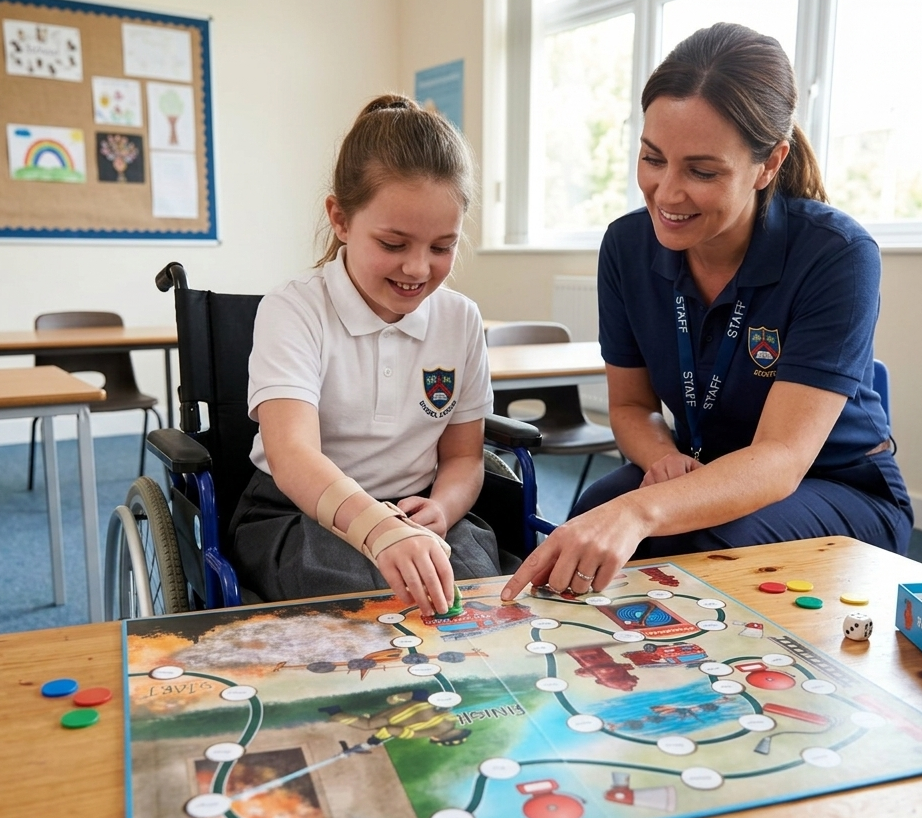

Spike’s Sight Words and Spelling Difficulties
For some children, the same spelling mistakes can appear again and again.
Short, repeated practice gives children more opportunities to encounter and recall commonly used words.
Because Spike turns this practice into a game, children can revisit words without every session feeling like traditional spelling work.
Spike’s Sight Words and ADHD
Children with ADHD may experience difficulties with sustained attention and maintaining focus during longer or repetitive activities.
This is one area where Spike’s approximately five-minute game format can be particularly useful.
Instead of expecting a child to maintain attention through a lengthy literacy exercise, Spike provides a short, clearly defined period of focused practice.
The activity can then be repeated regularly.
For some children, this can make it easier to build literacy practice into their daily routine.
Spike doesn’t treat ADHD — it provides a short, engaging format for literacy practice that may suit children who benefit from shorter activities.
Spike’s Sight Words and Dysgraphia
Dysgraphia can affect handwriting, written expression and other aspects of writing.
Spike doesn’t directly teach handwriting, pencil control or fine-motor skills.
However, children with dysgraphia may also experience difficulties with spelling and written language.
Spike provides a way to practise word recognition and spelling-related skills without making lengthy handwriting the focus of the activity.
This can give children another route into literacy practice.
Spike’s Sight Words and Working Memory Difficulties
Working memory plays an important role in learning.
Children who have difficulty holding information in mind may find it harder to remember words they have previously learned.
Spike’s repeated retrieval of words gives children opportunities to practise recalling familiar information.
The focus is on literacy retrieval and word recognition, rather than claiming to treat working-memory difficulties themselves.
Spike’s Sight Words and Processing Speed Difficulties
Some children need more time to process information.
Repeated exposure to familiar words can help children become increasingly familiar with those words.
As recognition becomes more automatic, familiar words may require less conscious effort to identify.
Spike can therefore provide useful repeated practice for children who experience slower processing during literacy activities.
Spike’s Sight Words and Developmental Language Disorder
Developmental Language Disorder (DLD) can affect a child’s ability to understand and/or use language.
Spike isn’t a treatment for DLD, but repeated exposure to familiar, high-frequency words can provide additional opportunities to encounter and practise vocabulary.
For children with DLD, Spike can therefore form one part of a wider programme of language and literacy support.
Spike’s Sight Words and Autism
Every autistic child has an individual learning profile.
Some children benefit from activities that are predictable, structured and consistent.
Spike’s short, repeatable game format can provide a clearly defined literacy activity with familiar patterns of practice.
For some autistic learners, this structure may make literacy practice easier to approach.
As with any educational resource, it should be adapted according to the individual child’s needs.
Spike’s Sight Words and Dyspraxia / DCD
Developmental Coordination Disorder (DCD), commonly referred to as dyspraxia, can affect coordination and motor skills.
Spike doesn’t address the underlying motor difficulties associated with DCD.
However, children with DCD may also experience challenges with handwriting and other written tasks.
A digital sight-word activity provides another way to practise literacy without requiring handwriting to be the main focus.


Why Five Minutes Can Make a Difference
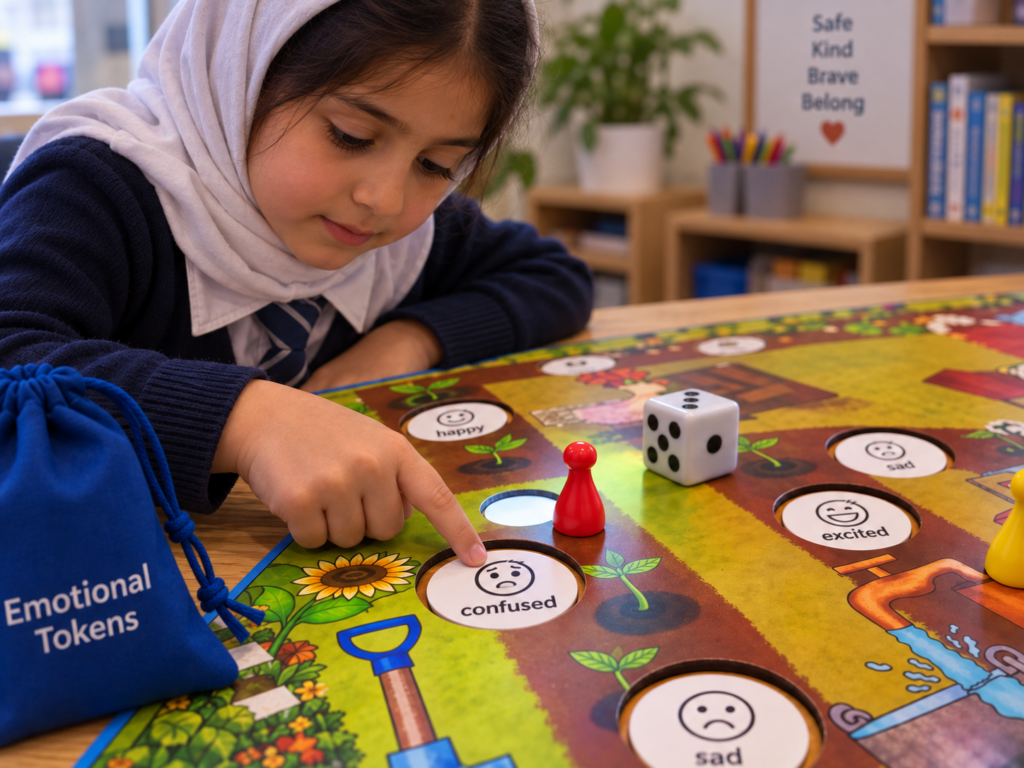
One of the key features of Spike’s Sight Words is its short, game-based format.
For children who struggle with long literacy sessions, five minutes can feel much more achievable.
A short session can be:
Easy to start.
Easy to repeat.
Easy to fit into a school day.
Easy to use at home.
And because learning often requires repetition, being able to practise little and often can be valuable.
One Game — Different Benefits
The same five-minute Spike session can serve different purposes for different children.
For a child with dyslexia, it may provide additional sight-word practice.
For a child with ADHD, it may provide a short, focused literacy activity.
For a child with dysgraphia, it may provide literacy practice without requiring extended handwriting.
For a child with processing difficulties, it may provide repeated opportunities to become familiar with common words.
For a child who simply struggles with reading, it may provide another opportunity to practise.
The child stays the same. The purpose of the activity can be different.
Supporting Children Alongside Existing SEN Provision
Spike’s Sight Words should be considered an additional literacy-support resource, rather than a replacement for specialist teaching, assessment or intervention.
Children with SEN can have very different strengths and difficulties, even when they have the same diagnosis.
The most effective approach is therefore to use resources according to the individual learner’s needs.
Spike can sit alongside:
- Phonics teaching
- Reading intervention
- Spelling practice
- Individual literacy plans
- SEN support
- Classroom learning
- Home learning
- One-to-one intervention
- Additional reading practice
A Simple Way to Add More Literacy Practice
For many children, the biggest challenge isn’t simply learning a word once.
It’s remembering it tomorrow, next week and the next time they see it in a book.
That is where repeated practice can help.
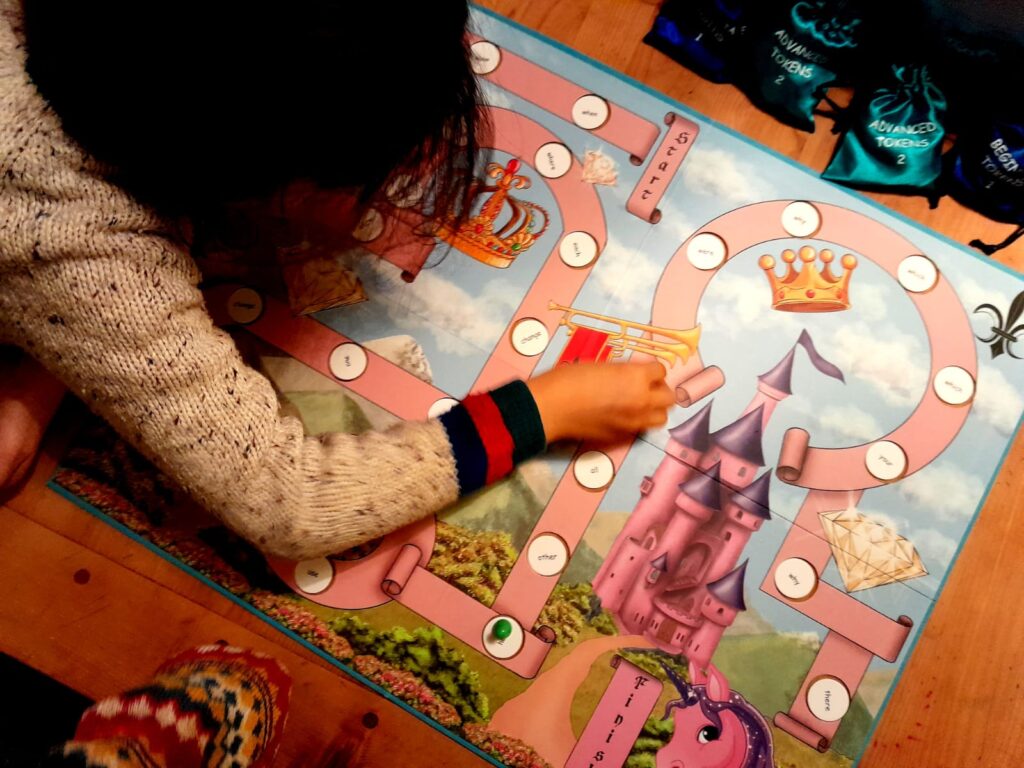
Spike’s Sight Words turns that repetition into a short, interactive activity.
Five minutes at a time. One word at a time. Repeated opportunities to practise.
For children with dyslexia, ADHD, dysgraphia, SpLD and other literacy needs, Spike provides another engaging way to practise the words they need to know.

Frequently Asked Questions
Is Spike’s Sight Words only for children with dyslexia?
No. Although dyslexia is one of the clearest areas where additional sight-word and reading practice may be relevant, Spike can also be used with children experiencing a range of reading, spelling and literacy difficulties.
Can children with ADHD use Spike’s Sight Words?
Yes. The approximately five-minute game format can provide a short, focused literacy activity for children who benefit from shorter learning sessions.
Can Spike’s Sight Words help children with dysgraphia?
It can support the literacy aspects of dysgraphia, particularly word recognition and spelling practice. It does not directly teach handwriting, pencil control or fine-motor skills.
Is Spike’s Sight Words a treatment for dyslexia or ADHD?
No. Spike is an educational literacy resource. It should not be presented as a medical treatment or replacement for specialist intervention.
Can Spike replace phonics?
No. Sight-word practice should complement appropriate phonics and reading instruction rather than replace systematic phonics teaching.
Can schools use Spike’s Sight Words as part of SEN support?
Yes. It can be incorporated as an additional literacy activity within a child’s wider educational support, where appropriate.
How long does a Spike’s Sight Words game take?
The games are designed to provide short sessions of approximately five minutes, making them easy to incorporate into classroom or home routines.

Spike’s Sight Words: Making Literacy Practice More Accessible
Every child deserves the opportunity to experience success when learning to read.
For some children, that may mean additional repetition. For others, it may mean shorter activities, more engaging practice or another way to approach words that have previously been difficult.
Spike’s Sight Words brings these ideas together in a simple, game-based literacy activity designed to make practising sight words more engaging, manageable and repeatable.
Five minutes can be a small amount of time — but for a child who finds literacy difficult, it can be five minutes of valuable practice.
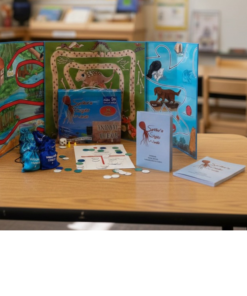
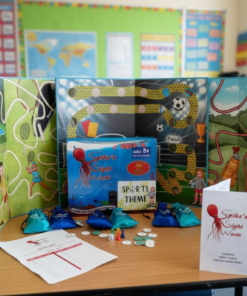
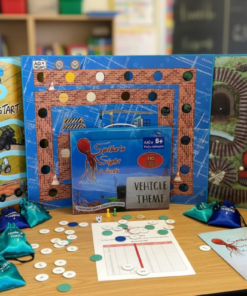
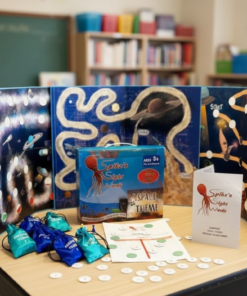
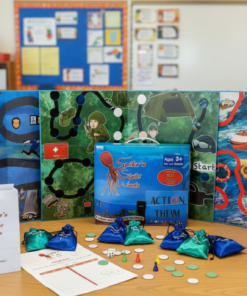
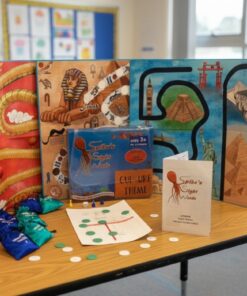
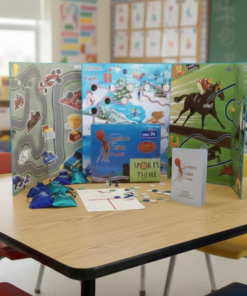
check out what literacy intervention kits we offer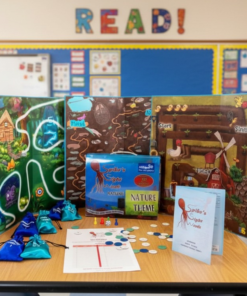
SEN Support & Charities
- British Dyslexia Association — dyslexia, dyscalculia and neurodiversity
British Dyslexia Association - Helen Arkell Dyslexia Charity — dyslexia support and literacy
Helen Arkell Dyslexia Charity - ADHD UK — ADHD information and support
ADHD UK - National Autistic Society — autism information, education and support
National Autistic Society - Ambitious about Autism — support and resources for autistic children and young people
Ambitious about Autism - Dyspraxia UK — dyspraxia/DCD information and support
Dyspraxia UK - Afasic — speech, language and communication needs, including DLD
Afasic - Contact — support and information for families of disabled children
Contact - Council for Disabled Children — information and resources around SEND
Council for Disabled Children - Mencap — learning disability information, advice and support
Mencap - Teach Us Too — teachustoo.org.uk

