

The linguistic divide between spelled and spelt is more than a simple regional quirk. It is a living artifact of how the Germanic roots of the English language collided with centuries of migration, printing presses, and a deliberate push for American cultural independence.
While both words serve exactly the same grammatical purpose today, understanding how they parted ways requires a journey back to the Middle Ages.
The Germanic Roots of the (T) vs. (ED) Split
In Old English, verbs were generally divided into “strong” verbs (which changed their internal vowels to change tense, like sing to sang) and “weak” verbs (which added a sound to the end of the word).
For weak verbs, speakers added either a (-de) or a (-te) sound, depending on how the preceding consonant felt to pronounce.
- Verbs ending in voiced sounds (like spell) naturally paired with the softer (-de) sound, leading to spelled.
- Over centuries of spoken speech, the final vowel dropped off, and many speakers naturally sharpened that ending into a crisper (-te) sound, resulting in spelt.
For hundreds of years, both forms existed side-by-side in spoken British English. Because standardised spelling did not exist yet, writers simply wrote whichever version matched their local regional dialect.
How America Dropped the (T)
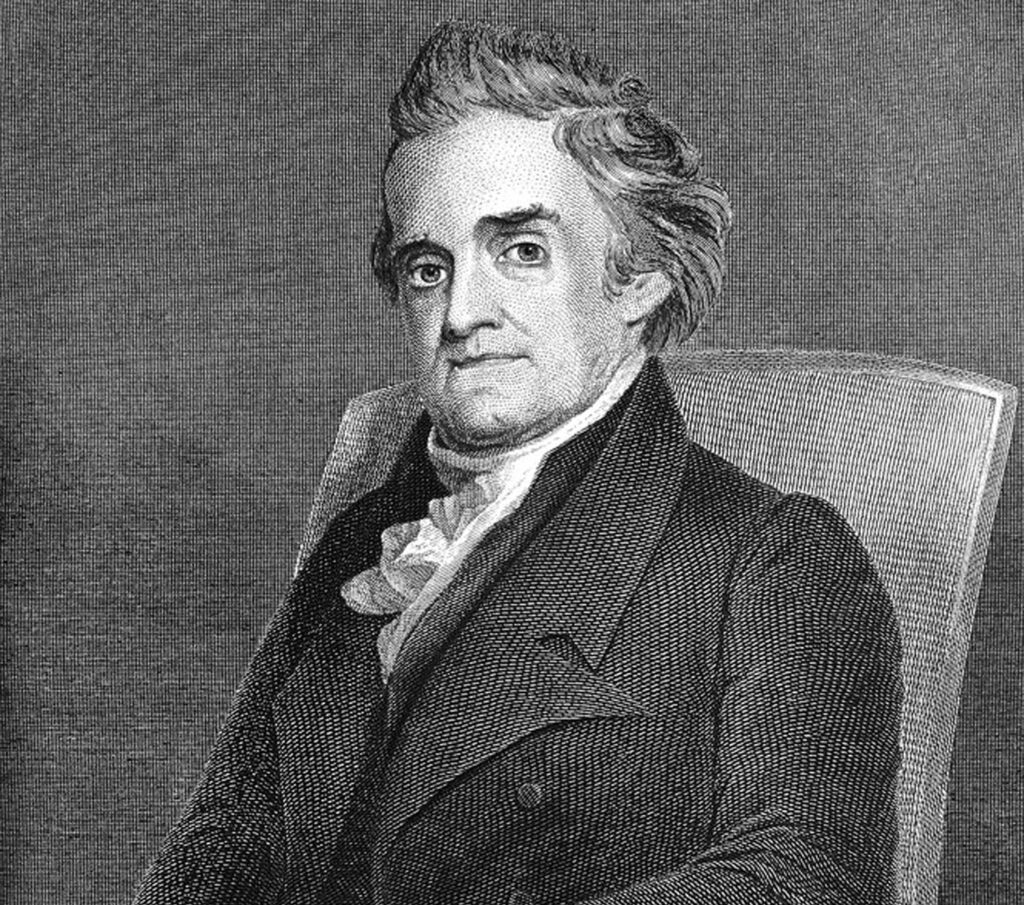
The true split occurred in the 19th century, driven largely by one man: Noah Webster.
Webster was an American lexicographer determined to establish a distinct intellectual identity for the newly formed United States. He believed British English was unnecessarily complex, cluttered with silent letters, and riddled with inconsistent spelling rules.
When Webster published his landmark 1828 American Dictionary of the English Language, he deliberately streamlined the language. He championed the regular (-ed) suffix for past-tense verbs because it created a uniform, predictable pattern.
Under his influence, the American educational system strictly adopted spelled, burned, and dreamed, effectively banishing their (-t) counterparts to the history books.
The British Approach: Keeping Both Options
While America aggressively standardised toward (-ed), the United Kingdom and the broader Commonwealth took a more permissive path.
British English embraced both forms. However, the irregular (-t) variants remained highly popular in literature and publishing because they more accurately reflected the sharp, clipped pronunciation of British speech.
Today, while major British institutions like the Oxford English Dictionary accept both forms, spelt, learnt, and burnt are still widely preferred in daily British life, while remaining completely foreign to American ears.

Other Common Past Tense Splits
The spelled/spelt divide is part of a much larger pattern of linguistic divergence. The table below highlights the most common verbs that split across the Atlantic:
| Infinitive Verb | American English Past Tense | British / Commonwealth Past Tense |
|---|---|---|
| To Burn | Burned | Burnt or Burned |
| To Dream | Dreamed | Dreamt or Dreamed |
| To Learn | Learned | Learnt or Learned |
| To Lean | Leaned | Leant or Leaned |
| To Leap | Leaped | Leapt or Leaped |
| To Smell | Smelled | Smelt or Smelled |
| To Spill | Spilled | Spilt or Spilled |
| To Spoil | Spoiled | Spoilt or Spoiled |
Sentence Examples in Context
1. Burned vs. Burnt
- American: The chef burned the toast because the kitchen timer was broken.
- British: The smell of burnt toast filled the entire flat. (Note: British English heavily prefers the “-t” form when the word is used as an adjective).
2. Dreamed vs. Dreamt
- American: As a child, he always dreamed of flying to space.
- British: She dreamt a strange dream about wandering through an empty castle.
3. Learned vs. Learnt
- American: The students learned the entire periodic table in one week.
- British: Everything I learnt about history came from old library books.
4. Spilled vs. Spilt
- American: He accidentally spilled hot coffee all over his new laptop.
- British: There is no point crying over spilt milk.

While Noah Webster tried to make American English perfectly regular, language is messy. In a few cases, American English actually invented or preferred an irregular form, while British English stuck to a regular -ed rule!
- To Dive
- American: Dove. “She dove headfirst into the swimming pool.”
- British: Dived. “She dived into the sea from the rocks.”
- To Sneak
- American: Snuck. “He snuck out of the house after midnight.”
- British: Sneaked. “He sneaked past the guard at the gate.”
- To Fit
- American: Fit. “The key fit perfectly into the lock.”
- British: Fitted. “The new carpet fitted the room perfectly.”
3. Vowel Adjustments and Drop-Offs
Some splits alter internal vowels or change the word structure entirely between the two regions.
- To Light
- American: Lighted (or Lit). “The campfire lighted up the dark woods.”
- British: Lit. “He lit a match in the dark room.”
- To Spit
- American: Spit (or Spat). “The child spit out the bitter vegetable.”
- British: Spat. “The actor spat his line with pure rage.”
- To Wake
- American: Woke. “I woke up early this morning.”
- British: Awoke (or Woke). “He awoke to the sound of birds singing.”
4. The Past Participle Divergence
Sometimes the simple past tense is identical, but the past participle (used with “has”, “have”, or “had”) completely shifts.
- To Get (Past: Got)
- American Participle: Gotten. “I have gotten much better at chess.”
- British Participle: Got. “I have got much better at tennis.”
- To Forget (Past: Forgot)
- American Participle: Forgot (or Forgotten). “I had forgot my keys at home.”
- British Participle: Forgotten. “I had forgotten my umbrella.”
- To Saw (Past: Sawed)
- American Participle: Sawed. “He bought a sawed-off shotgun.”
- British Participle: Sawn. “The thief used a sawn-off shotgun.”